

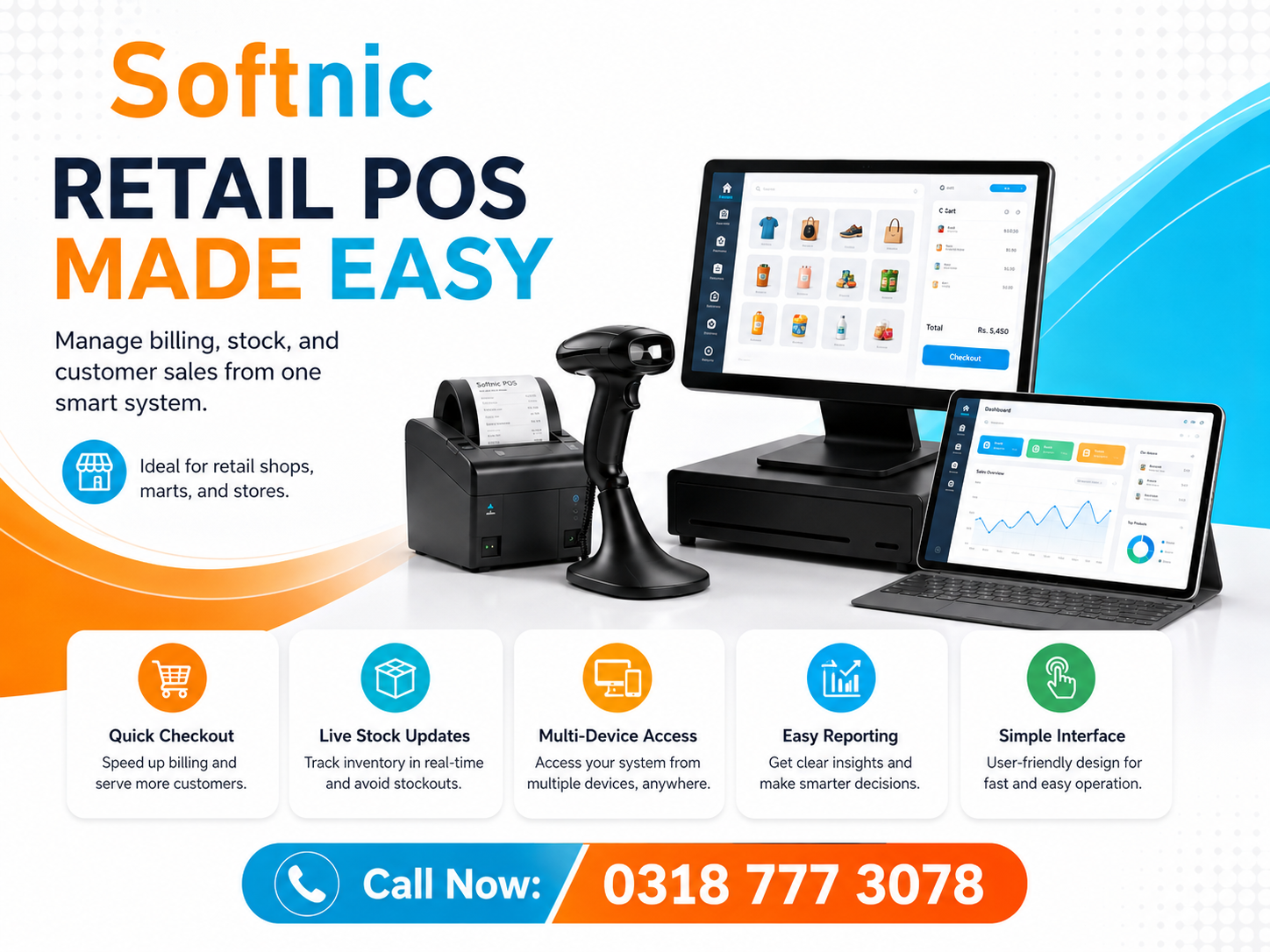
With Customer Management Barcode Billing Software
Managing invoices and cash flows is only half the battle; knowing who your customers are, when they bought what, and how often they return is the real driver of growth. With customer management barcode billing software, businesses can merge sales, inventory, and customer data into a single, streamlined platform. This integration not only speeds up checkout but also unlocks powerful insights that help retailers, wholesalers, and service providers make smarter, data‑driven decisions.
Why Combine Customer Management with Barcode Billing?
Traditional POS systems treat the cashier’s barcode scan as a line item, then hand off the transaction to a separate CRM or accounting tool. That separation breeds data silos, duplicate entries, and errors. A unified solution eliminates the friction between sales and customer information, offering:
- Real‑time purchase history for every scanned item, instantly available during the next sale.
- Instant loyalty rewards and personalized offers triggered by the cashier’s screen.
- Reduction of manual data entry, freeing staff for customer interaction instead of paperwork.
- Comprehensive analytics that combine sales volume with customer behavior patterns.
Customer Segmentation on the Fly
Every time a barcode is scanned, the system pulls the customer’s profile—name, contact, preferred products, and purchase frequency—directly into the cashier’s interface. Sales associates can then:
- Identify repeat shoppers and offer tailored discounts.
- Alert the cashier when a customer has a pending credit or loyalty points threshold.
- Recommend complementary products based on the customer’s recent buys.
These micro‑interactions create a personalized shopping experience that encourages repeat business, all without manual data checks.
Key Features of Customer‑Centric Barcode Billing Systems
Below are the core functionalities that a modern customer‑management barcode billing solution should provide. They collectively eliminate manual work and transform raw sales data into actionable insights.
Barcode Integration & Real‑Time Scanning
- Supports 1D and 2D barcodes, QR codes, and RFID tags.
- Instant inventory lookup and stock level alerts.
- Automatic price calculation and tax application.
Unified Customer Database
- Central repository for contact details, transaction history, and loyalty status.
- Seamless integration with email, SMS, and marketing automation tools.
- Data privacy compliance controls, ensuring GDPR and local regulations are met.
Dynamic Pricing & Discounts
- Rules engine that applies discounts based on customer tier, purchase volume, or time of day.
- Promotional campaign templates that auto‑apply during checkout.
- Audit trail for every price change, ensuring transparency for accounting.
Advanced Reporting & Analytics
- Dashboards that merge sales metrics with customer lifetime value (CLV) indicators.
- Customizable export options (CSV, PDF, Excel) for accounting and marketing teams.
- Predictive analytics for churn risk and upsell opportunities.
Cross‑Device Synchronization
- Mobile POS apps that sync with the central database, enabling sales from kiosks, pop‑ups, or online orders.
- Cloud backup and multi‑location support for retailers with several storefronts.
Benefits to Different Business Models
The same core features serve a range of business types, but the impact can vary depending on the operational model.
Retail Stores
Retailers benefit from instant customer profiling, which can trigger loyalty points or special offers at checkout. The system also helps manage high‑volume inventory efficiently, reducing stockouts.
Wholesale Distributors
Bulk orders often involve long credit terms. A unified system tracks credit limits, payment histories, and automates invoice reminders, simplifying financial management.
Service‑Based Businesses
From salons to repair shops, barcode billing can be adapted to track service parts or consumables. Customer profiles record service preferences and recurring appointments.
Food & Beverage Chains
Barcodes on menu items or ingredient kits can be scanned to manage per‑unit cost, while customer data enables personalized menu recommendations and targeted promotions.
Integrating with Existing Infrastructure
Most businesses already use a POS, ERP, or accounting system. A well‑designed barcode billing platform provides APIs and data export features that facilitate smooth data exchange:
- Data mapping – Align product codes, customer IDs, and transaction fields across systems.
- Middleware connectors – Use ready‑made or custom scripts to push data between platforms.
- Single sign‑on – Consolidate user access to reduce administrative overhead.
During the integration phase, it’s essential to map out critical data points, define validation rules, and schedule regular synchronization intervals to keep all systems in sync.
Choosing the Right Vendor
When evaluating software providers, consider the following:
- Industry experience—does the vendor understand your specific market nuances?
- Scalability—can the platform handle growth in both transaction volume and customer base?
- Support structure—24/7 technical assistance and a comprehensive knowledge base.
- Customization options—does the software allow you to create unique workflows or custom fields?
Softnic Solutions, a software development and digital solutions company based in Daska, Punjab, specializes in creating tailored POS and billing systems that align with business objectives. By combining development, design, and digital marketing expertise, Softnic Solutions delivers end‑to‑end solutions that help clients streamline operations, increase sales, and gain a competitive edge.
Getting Started: Implementation Roadmap
- Assessment – Document existing processes, hardware, and data formats.
- Design – Define the integration points and custom features needed.
- Development & Testing – Build the software, configure APIs, and run pilot tests.
- Training – Provide role‑based training for staff on barcode scanning and customer data handling.
- Launch – Go live with real transactions while monitoring performance.
- Optimization – Refine workflows based on user feedback and analytics.
Case Study: Enhancing Customer Loyalty in a Retail Chain
“After integrating the customer‑management barcode inventory software, our store experienced a 12% rise in repeat purchases within the first quarter. The system’s real‑time customer insights allowed us to tailor offers directly at checkout, driving higher conversion rates.”
While this example focuses on inventory, the same customer‑centric approach applies to billing systems. By bridging the gap between sales data and customer profiles, businesses can unlock new revenue streams and improve operational efficiency.
Future Trends: AI‑Driven Billing and Customer Insights
Modern barcode billing platforms are increasingly integrating AI to predict buying patterns, automate inventory replenishment, and personalize marketing at scale. Key developments include:
- Predictive analytics that forecast demand based on historical purchase behavior.
- Chatbot interfaces that guide customers during self‑checkout while capturing data.
- Automated reconciliation between sales and accounting systems, reducing audit time.
Staying ahead of these trends requires a flexible software architecture that can incorporate new modules without disrupting daily operations.
Bottom Line
Combining customer management with barcode billing turns a simple transaction into a data asset. It enhances accuracy, speeds up service, and offers a rich source of actionable insights that drive customer loyalty and profitability. Businesses that adopt integrated solutions can expect to reduce operational friction, improve inventory control, and gain a competitive edge in a marketplace where personalized experiences matter more than ever.

