

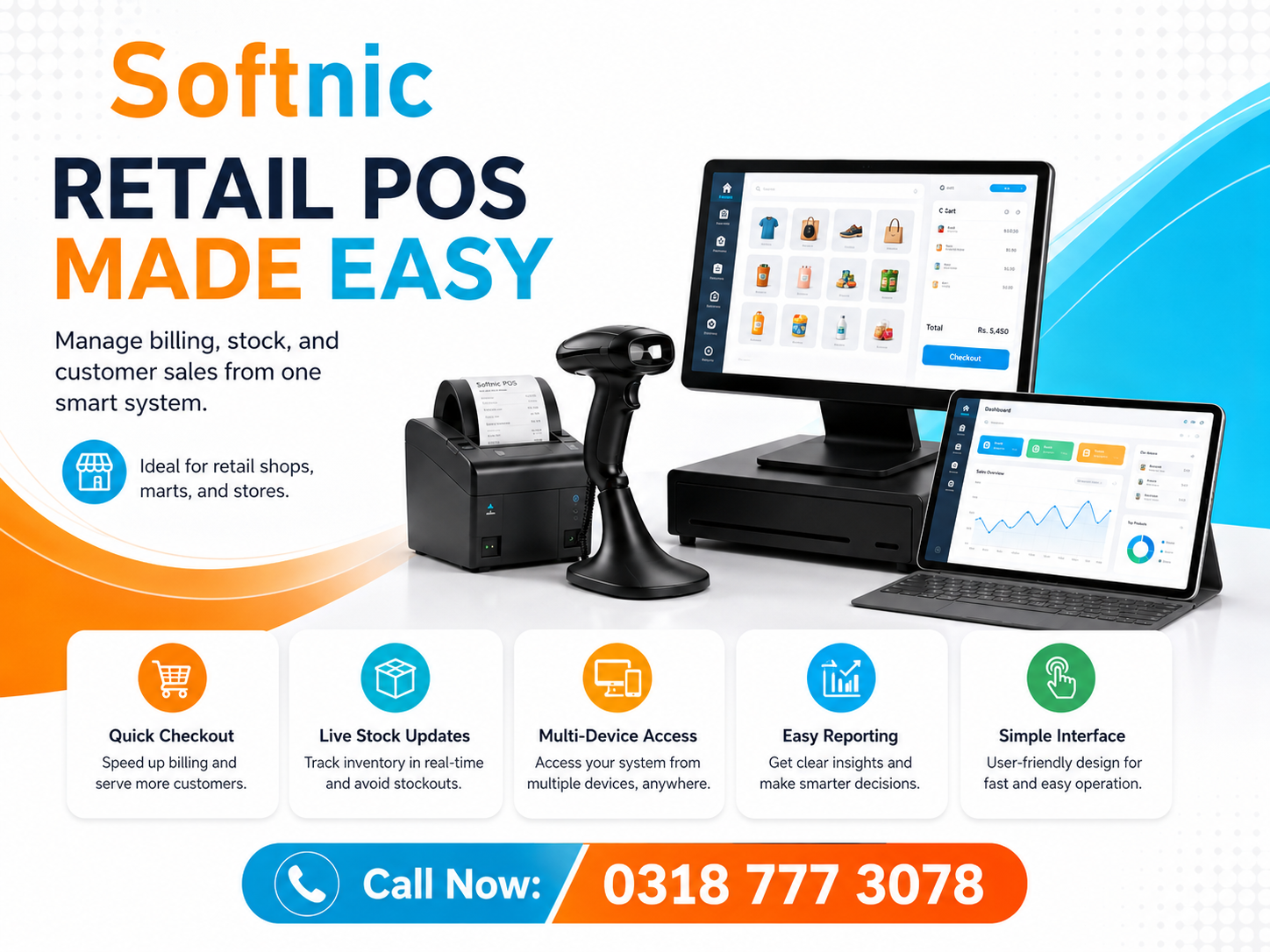
Sales And Inventory Management Software
When a business grows, its manual processes become bottlenecks. Orders pile up, stock levels slip through the cracks, and sales data gets scattered across spreadsheets. This chaos not only hurts efficiency but also erodes customer trust and prevents managers from making informed decisions.
Identifying the Core Pain Points
- Fragmented sales workflows – Sales teams often rely on email, paper forms, or separate CRM tools that don’t sync with the rest of the organization.
- Inventory blind spots – Without real‑time visibility, businesses face stockouts or excess inventory, both of which drain profits.
- Inconsistent data – Duplicate entries and manual reconciliations introduce errors that cascade into financial reports.
- Slow order fulfillment – When order details aren’t instantly available to warehouse teams, shipping delays become common.
- Limited analytics – Decision makers lack dashboards that link sales trends directly to inventory movements.
Addressing these pain points requires a unified system that brings sales, inventory, and order management under one roof. That’s where sales and inventory management software steps in.
How a Unified Solution Works
A modern sales and inventory management platform integrates four essential modules:
- Sales Capture – Create quotations, convert them to orders, and record customer interactions in real time.
- Inventory Tracking – Monitor stock levels, automate reorder points, and manage multiple warehouses.
- Order Fulfilment – Generate picking lists, track shipments, and update inventory automatically.
- Reporting & Analytics – Visualize sales velocity, inventory turnover, and profitability in one dashboard.
When these modules communicate seamlessly, every transaction is recorded exactly once, eliminating duplication and the risk of human error.
Key Benefits for Different Business Sizes
Small Retailers
For a boutique that sells on both physical and online channels, a lightweight sales and inventory system can:
- Sync sales from the store’s POS with the online storefront.
- Auto‑update stock levels after every sale.
- Provide a simple dashboard to monitor best‑selling items.
Mid‑Size Enterprises
Companies with multiple warehouses or a growing product line need more robust features:
- Multi‑location inventory management.
- Advanced pricing tiers and discount rules.
- Integration with existing ERP or accounting systems.
Large Corporations
Enterprise‑grade solutions offer:
- Custom workflows for complex order cycles.
- Scalable architecture that supports high transaction volumes.
- Role‑based access and advanced security controls.
Choosing the Right Software for Your Business
When evaluating options, focus on these criteria:
- Customizability – Does the platform allow you to tailor fields and processes to your unique needs?
- Integration – Can it connect with your existing accounting, e‑commerce, or CRM tools?
- Scalability – Will it grow with your business without requiring a complete rewrite?
- Support – Is there a dedicated team for onboarding, troubleshooting, and upgrades?
- Cost of Ownership – Consider licensing, maintenance, and potential hidden costs.
In Pakistan, where many businesses are expanding rapidly, custom sales management software development offers the flexibility to adapt the system to your exact workflow.
Steps to Implement a Sales and Inventory Management Solution
- Define Your Objectives – Write down the problems you need to solve and the outcomes you expect.
- Map Existing Processes – Document how orders, inventory, and finance currently interact.
- Choose a Development Partner – Look for a firm that offers custom inventory management software development and has a track record in similar industries.
- Prototype Key Features – Build a minimal viable product (MVP) focused on sales capture and stock updates.
- Integrate with Core Systems – Connect the new platform to your POS, e‑commerce, and accounting tools.
- Train Your Team – Provide hands‑on sessions and create quick‑reference guides.
- Launch Incrementally – Start with a pilot store or region before full rollout.
- Monitor and Optimize – Use built‑in analytics to identify bottlenecks and refine processes.
Each step should involve stakeholders from sales, warehousing, finance, and IT to ensure the final system meets everyone’s needs.
Real‑World Impact
Consider a mid‑size textile distributor that previously relied on manual spreadsheets for order entry and stock counts. After deploying a custom order management system, the distributor:
- Reduced order processing time from 3 days to 24 hours.
- Cut inventory carrying costs by 18% through smarter reorder triggers.
- Enabled sales managers to access real‑time dashboards, leading to faster promotional decisions.
These tangible improvements illustrate how unified software turns data into a competitive advantage.
Future‑Ready Features Worth Considering
AI‑Driven Demand Forecasting
Predictive analytics can anticipate seasonal spikes, helping businesses adjust inventory levels proactively.
Mobile Access
Field sales representatives can capture orders on tablets, instantly updating central inventory.
IoT Integration
Smart shelves and barcode scanners automatically log stock movements, eliminating manual counts.
Conclusion
For businesses striving to stay agile and customer‑centric, investing in a well‑integrated sales and inventory management system is no longer optional. It is the foundation that aligns sales, fulfillment, and finance, delivering clarity and speed across the organization. At Softnic Solutions, we specialize in building custom solutions that scale with your growth, ensuring that every transaction, from the first click to the last shipment, is captured accurately and leveraged for smarter decisions. By partnering with an experienced developer, you can transform fragmented processes into a streamlined, data‑driven workflow that supports sustainable expansion.

