

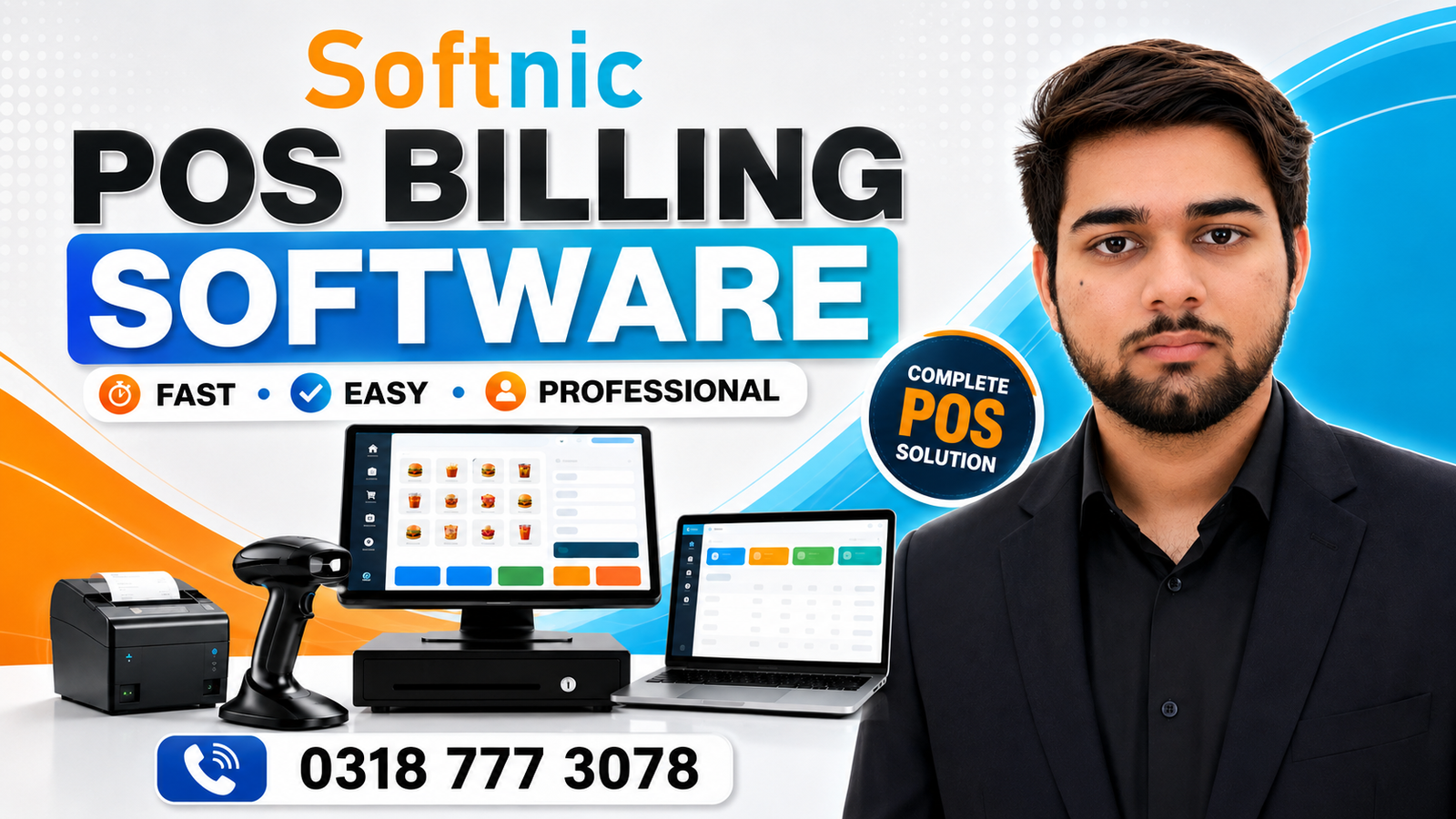
Pos Software For Hardware Stores
Hardware stores operate in a fast‑moving environment where tools, building materials, and seasonal items need to be tracked, priced, and sold efficiently. A robust POS (Point of Sale) system tailored for hardware retailers can streamline checkout, manage inventory, and provide insights that help owners make smarter purchasing and pricing decisions. In this guide, we’ll explore the essential features of POS software for hardware stores, how Softnic Solutions builds a system that fits these needs, and the steps to implement it successfully.
Why Hardware Stores Need Specialized POS Software
Unlike general retail, hardware stores often deal with high‑value, low‑volume items, bulk purchases, and fluctuating stock levels. A POS that simply handles cash drawers and basic sales will fall short when it comes to tracking warranty information, managing multiple suppliers, or handling promotions on tools and lumber. Specialized software ensures that every transaction is accurate, inventory is updated in real time, and staff can focus on customer service rather than manual record‑keeping.
Key Features Every Hardware Store POS Should Include
- Inventory Management: Real‑time tracking of parts, tools, and building materials with low‑stock alerts.
- Unit of Measure Handling: Support for varied units such as kilograms, meters, pieces, and boxes.
- Supplier Integration: Easy reordering from manufacturers or wholesalers with automated purchase orders.
- Barcode and RFID Scanning: Quick item identification to reduce errors and speed up checkout.
- Employee Management: Role‑based access, sales commissions, and performance tracking.
- Multi‑Channel Sales: Sync online orders, in‑store pickups, and click‑and‑collect options.
How Softnic Solutions POS Meets Hardware Store Requirements
Softnic Solutions designs its POS platform with the hardware retail workflow in mind. The system combines modular architecture with industry‑specific add‑ons, allowing store owners to start with core functionality and expand as their business grows.
Tailored Modules for Hardware Retailers
- Core POS Engine: Fast, reliable checkout with support for cash, card, and mobile payments.
- Advanced Inventory: Track each item’s location within the store, manage serial numbers, and schedule maintenance reminders for tool rentals.
- Purchase Management: Automate reorder points based on sales trends and supplier lead times.
- Reporting Dashboard: Visualize sales by category, profit margins, and seasonal demand.
- Customer Loyalty: Points‑based rewards that encourage repeat purchases of consumables and accessories.
The Softnic Solutions team works closely with hardware store owners to customize these modules, ensuring the final product aligns with the store’s layout, product mix, and business goals.
Step‑by‑Step Implementation Guide
Deploying a new POS system doesn’t have to be overwhelming. Follow this practical roadmap to get your hardware store up and running with minimal disruption.
- Conduct a Needs Assessment: Identify the most critical features, such as barcode scanning for tools or supplier integration for lumber.
- Select Hardware‑Friendly Features: Choose a solution that supports multiple unit measurements and high‑value item tracking.
- Customize Inventory Modules: Set up categories for power tools, building materials, and consumables; define reorder thresholds.
- Integrate with Existing Suppliers: Connect the POS to your wholesale distributors for seamless purchase ordering.
- Train Staff: Provide hands‑on sessions focusing on scanning, returns, and using the reporting tools.
- Go Live and Monitor: Start with a pilot period, review sales data, and adjust settings as needed.
Comparison with General Store POS – A Quick Caution
While a POS designed for general stores can handle basic transactions, hardware retailers often require deeper inventory controls and supplier workflows that standard systems lack.
- Inventory Complexity: General store POS typically tracks units in bulk; hardware stores need granular tracking of parts and serial numbers.
- Supplier Integration: Many general solutions do not support automated purchase orders from multiple hardware wholesalers.
- Reporting Depth: Hardware stores benefit from sales analysis by tool type, warranty periods, and maintenance services—features rarely found in generic POS.
For a deeper dive into how a more generic POS might fall short, you can read our related article on POS software for general stores.
Conclusion
Choosing the right POS software for a hardware store is about more than processing payments; it’s about creating a system that understands the unique demands of selling tools, building materials, and specialized parts. Softnic Solutions delivers a modular, hardware‑focused POS that streamlines inventory, automates supplier interactions, and provides actionable insights—all built to scale with your business. By following the implementation steps above, you can transition smoothly to a more efficient, customer‑focused operation that drives growth and profitability.


1 Comment
[…] of our auto parts clients also operate hardware outlets. Our hardware POS solutions demonstrate how cross‑industry expertise can be leveraged. The same modular platform, adapted […]