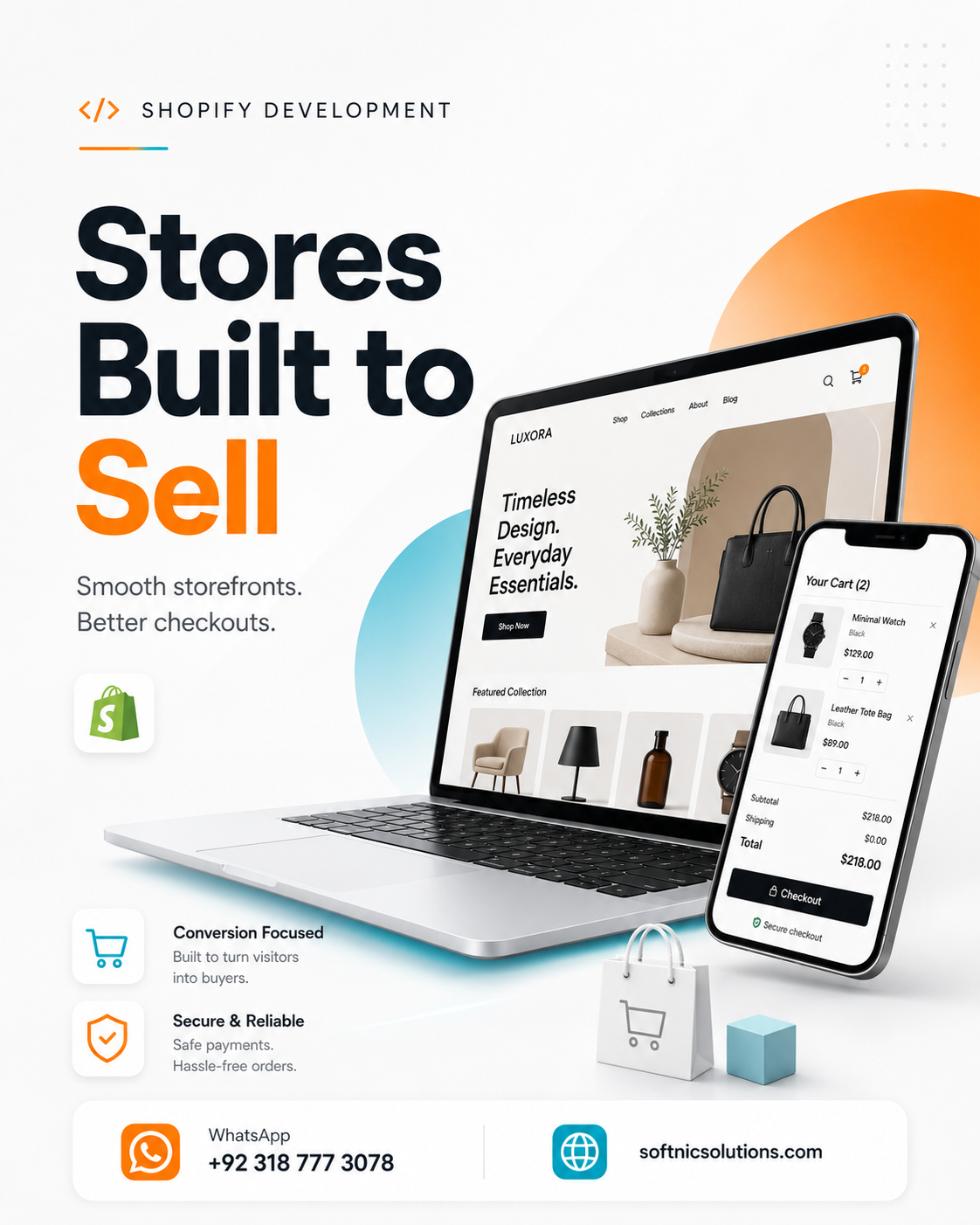
Ecommerce Website Pricing Daska
When a business in Daska starts thinking about launching an online store, the first question that surfaces is usually about cost. “How much will it take to build a fully functional ecommerce website?” can feel like a puzzle with many moving parts. Understanding the factors that shape pricing—and knowing where to get realistic, transparent estimates—helps entrepreneurs and SMEs make confident decisions without hidden surprises.
What Drives Ecommerce Website Pricing in Daska?
Ecommerce website costs are not a single number; they are the result of several interconnected components. Below are the key areas that typically influence the final price:
- Platform choice – Open‑source options like WooCommerce or Shopify often come with lower upfront licensing costs, whereas custom solutions might require more development effort.
- Design complexity – A unique, responsive design with custom branding will add to the budget compared to a ready‑made template.
- Features and integrations – Payment gateways, inventory systems, shipping calculators, and marketing tools each add layers of functionality.
- Content and product volume – The number of pages, product categories, and images can affect development time and hosting needs.
- Maintenance and support – Ongoing updates, backups, and security patches are usually part of a long‑term cost plan.
- Local market dynamics – In Daska, the availability of skilled developers and the demand for specific services can subtly shift pricing.
Step‑by‑Step Guide to Estimating Your Ecommerce Budget
Identify Your Business Goals
Start by clarifying what you want the online store to achieve. Is it a sales channel for existing products, a marketplace for multiple vendors, or a brand showcase that also sells? The scope will directly influence design, feature set, and platform choice.
Choose the Right Platform
Decide between a pre‑built solution and a custom build. For many local businesses, WordPress with WooCommerce offers flexibility and cost efficiency. If you need a cloud‑native experience with built‑in scaling, consider Shopify. For fully tailored experiences, a custom development project may be appropriate.
Define Core Features
List the functionalities you require:
- User registration & account management
- Product catalog and search
- Shopping cart and checkout
- Multiple payment gateways
- Shipping rate calculators
- Promotional and discount tools
- Analytics and reporting
- Multi‑language support (if needed)
Each feature adds to the development timeline and cost.
Design and Branding
Decide if you’ll use a standard template or a fully customized design. Custom branding often includes:
- Logo and brand colors
- Responsive layouts for mobile and desktop
- High‑quality product photography and image optimization
- User experience (UX) enhancements like personalized recommendations
For a polished look, consider Ecommerce Website Design Daska.
Plan Payment Integration
Secure and reliable payment processing is critical. Options vary from local gateways (e.g., Easypaisa, JazzCash) to international ones (PayPal, Stripe). Each has its own integration complexity and fee structure.
Explore Ecommerce Payment Integration Daska to see how local gateways can be embedded seamlessly.
Estimate Development Time
Ask the development team for a timeline based on the platform, features, and design complexity. Typical projects range from 4 to 12 weeks. Longer timelines may indicate more extensive customization.
Review Hosting and Domain Costs
Web hosting for ecommerce should be reliable and secure. Shared hosting is cheaper, but a dedicated server or managed WordPress host offers better performance. Domain registration is a one‑time fee, but renewals add to long‑term costs.
Factor in Maintenance & Support
Ongoing support covers:
- Regular backups and security patches
- Plugin and theme updates
- Performance monitoring
- Customer support for technical issues
Some agencies offer maintenance packages, while others charge hourly for ad‑hoc work.
Request Detailed Quotes
Once you’ve identified requirements, ask for a written proposal that breaks down:
- Platform fees (if applicable)
- Design and development charges
- Feature implementation costs
- Payment gateway setup
- Hosting and domain fees
- Maintenance and support pricing
Compare and Negotiate
Use the proposals to compare not just price but also scope and delivery timelines. Negotiate on aspects that may be flexible, such as phased rollouts or bundling services.
Plan for Future Growth
Consider how the site will scale. Will you add more products, expand into new markets, or integrate advanced analytics? Choosing a scalable platform and planning for modular upgrades will protect your investment over time.
Common Pricing Models in Daska
Local agencies often use one of the following models:
- Fixed‑price package – Best for projects with well‑defined scope. You receive a single total cost before work begins.
- Time‑and‑materials – Suitable when requirements evolve. Billing is based on hours worked and resources used.
- Tiered subscription – Includes hosting, updates, and support in a monthly fee, ideal for businesses wanting predictable monthly expenses.
How to Avoid Overpricing and Under‑Delivering
Even with a solid estimate, the final cost can spiral if:
- Scope creep – New features added after the contract begins.
- Unclear specifications – Ambiguous design or functional requirements.
- Poor communication – Misunderstandings between client and developer.
- Inadequate testing – Launching with bugs that require costly fixes later.
To mitigate these risks, maintain a clear project charter, schedule regular status meetings, and require milestone approvals before moving to the next phase.
Wrapping It Up
Pricing an ecommerce website in Daska involves understanding the layers of development, design, integration, and ongoing support. By defining your objectives, selecting an appropriate platform, outlining core features, and requesting transparent, itemized quotes, you’ll be equipped to make a financially sound decision. Whether you lean towards a ready‑made WordPress/WooCommerce solution or a custom build, the key is a clear partnership that aligns technology with your business goals.