

Custom Software Integration Services
In today’s fast‑moving digital landscape, businesses can’t afford to keep their software siloed. Whether it’s an e‑commerce platform, a customer relationship management system, or an enterprise resource planning suite, the real value emerges when these tools talk to one another. Custom software integration services enable seamless data flow, eliminate manual work, and unlock insights that drive smarter decisions.
Why Integration Matters
Most companies start with a handful of applications that work well on their own. Over time, additional tools are added to cover new functions—inventory, sales, finance, marketing, and more. Without integration:
- Data is duplicated and often inconsistent.
- Manual data entry increases the risk of human error.
- Time‑to‑value for new features is delayed.
- Scalability becomes limited because each system requires separate maintenance.
Custom integration services transform these isolated systems into a unified ecosystem, delivering real business value.
Key Benefits of Custom Integration
1. Enhanced Operational Efficiency
Automated data exchange removes repetitive tasks, freeing staff to focus on higher‑value activities. For instance, a sales order automatically updates inventory levels, accounting entries, and shipping schedules.
2. Improved Data Accuracy and Visibility
Real‑time sync means every department works off the same up‑to‑date information. Reports and dashboards pull from a single source of truth, reducing discrepancies that could affect decision making.
3. Faster Time to Market
When new features or integrations are built on a common architecture, they can be deployed quicker. This agility gives businesses a competitive edge, especially in dynamic industries.
4. Scalability and Future‑Proofing
Modular integration layers allow you to add or replace systems without redesigning the entire solution. This flexibility ensures your technology stack grows with your business.
Common Integration Challenges & How to Overcome Them
- Legacy System Constraints – Older applications may lack modern APIs. Workarounds include using middleware or building custom adapters.
- Data Mismatch – Different data formats and naming conventions can lead to errors. Data mapping and transformation rules are essential.
- Security Concerns – Exposing sensitive data across systems must follow strict authentication, authorization, and encryption practices.
- Performance Bottlenecks – Heavy data traffic can slow down processes. Optimizing API calls and employing asynchronous queues help.
Softnic’s Integration Approach
Softnic Solutions combines deep technical expertise with a client‑centric mindset to deliver integrations that are reliable, secure, and aligned with business goals. Our process typically follows these stages:
- Discovery & Strategy – We map your current landscape, identify pain points, and define integration objectives.
- Architecture Design – We choose the right patterns (e.g., event‑driven, request/response) and tools (e.g., REST, GraphQL, SOAP, message queues) to fit your ecosystem.
- Implementation – Developers build adapters, transformation pipelines, and authentication layers, ensuring minimal disruption to existing operations.
- Testing & Validation – End‑to‑end tests confirm data integrity, performance, and security.
- Deployment & Monitoring – Solutions go live with robust logging, alerting, and continuous improvement protocols.
Our Custom Software Development Services often serve as the foundation for integration work, while Custom ERP Software Development Services provide a common platform that other modules plug into. For projects requiring ongoing support, we also offer Custom Software Development and Maintenance.
Typical Integration Scenarios
1. E‑Commerce to ERP
Synchronize product catalogs, stock levels, and order data between online stores and back‑office systems, ensuring accurate inventory and financial reporting.
2. CRM to Marketing Automation
Automatically push new leads and campaign responses to a unified database, enabling personalized outreach and real‑time analytics.
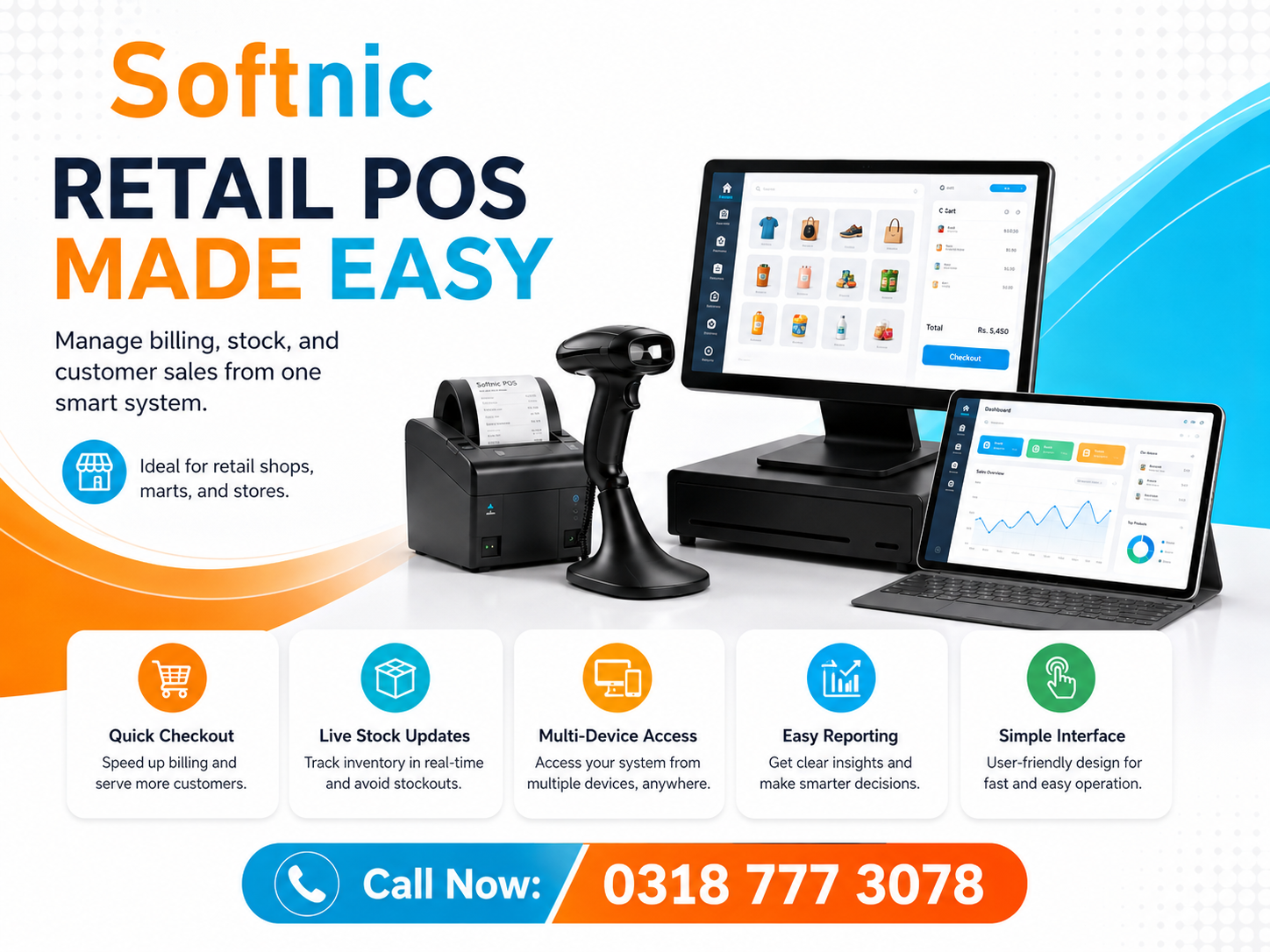
3. POS to Accounting
Transfer sales transactions from point‑of‑sale devices straight into accounting software, eliminating duplicate entries and speeding up reconciliation.
4. Mobile Apps to Cloud Services
Connect native or hybrid mobile applications to cloud‑based back‑ends, providing scalable data storage and real‑time updates.
Choosing the Right Integration Partner
When selecting a partner for custom software integration, consider the following criteria:
- Domain Knowledge – Experience in your industry ensures they understand specific data flows and regulatory requirements.
- Technical Proficiency – Proficiency with APIs, middleware, and modern architecture patterns is essential.
- Agility – Ability to adapt to evolving business needs and new technologies.
- Support Model – Clear processes for monitoring, incident response, and continuous improvement.
- Portfolio – Case studies or references demonstrating successful integrations across varied platforms.
Softnic Solutions brings over a decade of experience in both Custom Software Design and Development and enterprise integrations. Whether you need a single connector or a full‑blown integration ecosystem, our team tailors solutions to fit your unique workflow.
Conclusion: Integration as a Strategic Asset
Custom software integration is no longer an optional convenience—it’s a strategic investment. By enabling your applications to share data effortlessly, you create a digital backbone that supports growth, innovation, and resilience. With Softnic Solutions as your technology partner, you can turn fragmented tools into a coherent, high‑performance system that scales with your business ambitions.

