

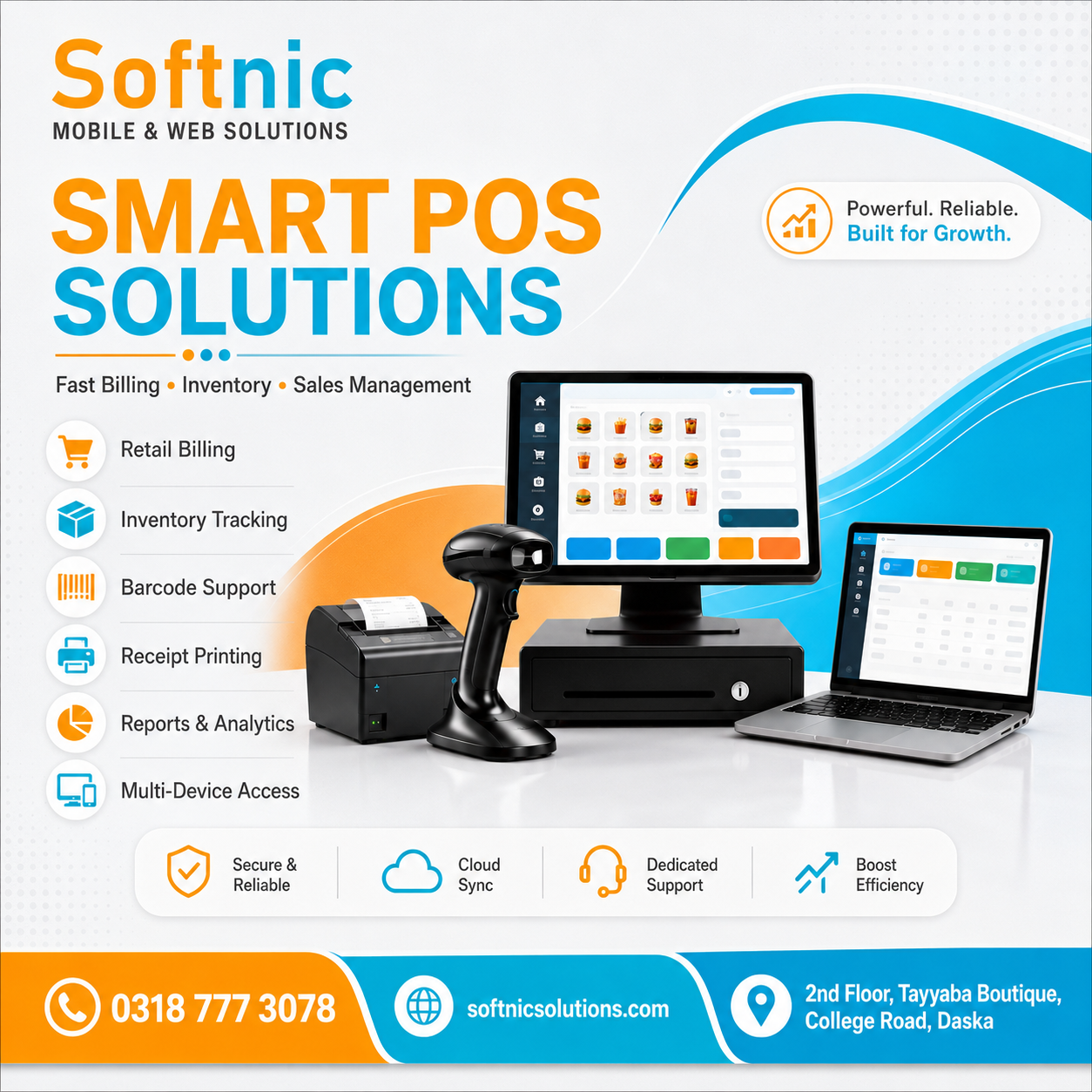
Computer Science Final Year Project Daska
Every semester, computer science students in Daska face the same challenge: choosing a final year project that is both academically rigorous and practically valuable. It’s a crucial decision that can shape a student’s career trajectory, influence their résumé, and even open doors to industry collaboration. In this guide, we break down the process from idea generation to delivery, with a special focus on how Softnic Solutions—located in the heart of Daska—can help turn those ideas into polished, real‑world applications.
Why a Strong Final Year Project Matters
A well‑executed final year project demonstrates a student’s ability to:
- Apply theoretical concepts to solve real problems
- Design and implement software with industry‑grade practices
- Communicate technical findings clearly to both technical and non‑technical audiences
Moreover, it serves as a portfolio piece that showcases a student’s skill set to potential employers. For a computer science student in Daska, this means the project can become a bridge to internships, local startups, or even a freelance consulting gig.
Step 1: Ideation and Feasibility Assessment
Identify a Real‑World Problem
Start by observing the local ecosystem—businesses, schools, NGOs, and community groups. Common pain points include:
- Inventory tracking for small retail outlets
- Student attendance and assignment management for schools
- Health record digitization for local clinics
- Automated billing systems for restaurants
Selecting a problem that aligns with Daska’s needs not only makes the project relevant but also increases the likelihood of stakeholder support.
Check Technical Feasibility
Once you have a problem statement, evaluate:
- Data Availability – Is there accessible data or a partner willing to share information?
- Technology Stack – Do you have the skills to work with the required languages and frameworks?
- Project Scope – Is the problem complex enough to meet academic criteria but manageable within a few months?
Use a simple SWOT analysis to weigh strengths, weaknesses, opportunities, and threats. This will help refine the project’s focus before you commit.
Step 2: Define Objectives and Success Criteria
Clear objectives translate into measurable outcomes. Ask yourself:
- What problem will the project solve?
- Which features are essential and which are optional?
- How will you evaluate success? (e.g., performance benchmarks, user satisfaction)
Document these points in a concise project proposal. Softnic Solutions’ Final Year Project Developer Daska team can review your proposal to ensure it meets academic standards and industry relevance.
Step 3: Architecture and Design
Choose a Robust Architecture
For most university projects, a layered architecture (UI, business logic, data access) is sufficient. If your solution involves real‑time data or high concurrency, consider microservices or a serverless approach.
Design with User Experience in Mind
Even if the primary audience is professors, a clean UI can set your project apart. Follow these UX principles:
- Consistent navigation
- Responsive design for mobile and desktop
- Clear error handling and feedback
- Accessibility features (ARIA labels, keyboard navigation)
Prototype Early
Use tools like Figma or Adobe XD to build wireframes. Share prototypes with peers or potential stakeholders to gather feedback before diving into code.
Step 4: Implementation Strategy
Agile Development Cycle
Adopt a short sprint cycle—ideally two weeks—to keep the project on track. Each sprint should deliver a tangible increment: a working module, a test case, or documentation.
Version Control and Collaboration
Host your repository on GitHub or GitLab. Use branching strategies (feature, develop, main) and pull requests for code reviews. This practice mirrors professional environments and is often a requirement in university assessment.
Testing at Every Stage
Incorporate unit, integration, and end‑to‑end tests. A test‑driven development approach reduces bugs and ensures that the final product meets the defined success criteria.
Step 5: Documentation and Presentation
Technical Documentation
Include:
- System architecture diagram
- API specifications
- Deployment instructions
- Test cases and results
Academic Report
Structure it with an abstract, literature review, methodology, results, and conclusion. Use clear figures, tables, and citations. Softnic Solutions’ Final Year Project Services Daska can provide guidance on formatting and content to meet university guidelines.
Leveraging Softnic Solutions in Daska
Professional Development Support
Softnic Solutions offers:
- Mentorship from experienced developers
- Access to industry‑grade tools and cloud resources
- Feedback on code quality, security, and scalability
Real‑World Testing Grounds
Local businesses often need custom solutions but lack the technical capacity. Softnic’s Fyp Developer In Daska program partners with these entities, allowing students to test prototypes in production environments. This exposure accelerates learning and demonstrates the practical impact of academic work.
Post‑Project Opportunities
Graduates who collaborate with Softnic Solutions gain:
- Portfolio projects that showcase end‑to‑end delivery
- Letters of recommendation from industry partners
- Potential internships or freelance contracts with the firm
Common Pitfalls and How to Avoid Them
- Scope Creep – Keep the project focused. Add new features only if time and resources allow.
- Technical Debt – Refactor regularly. Don’t leave code “good enough” for the sake of deadlines.
- Missing Stakeholder Feedback – Schedule regular demos with professors or potential users. Early feedback prevents costly rework.
- Inadequate Testing – Allocate at least 20% of your development time to writing tests.
Final Thoughts
A computer science final year project in Daska is more than an academic requirement; it’s a launchpad into the professional world. By systematically choosing a relevant problem, defining clear objectives, following agile practices, and leveraging Softnic Solutions’ expertise, students can deliver high‑quality, industry‑ready applications. Whether you aim to automate a local business, create a mobile app, or build a data analytics platform, the right guidance and resources can turn a theoretical exercise into a tangible asset for your future career.

