

Cheap Barcode Inventory Software
Finding barcode inventory software that fits a tight budget does not mean settling for limited functionality. Many small businesses, retailers, and warehouses need reliable scanning, stock tracking, and reporting without the overhead of enterprise-grade platforms. The right solution balances cost with the core features that prevent stockouts, reduce manual errors, and speed up daily operations.
What “Cheap” Should Mean in Practice
Price alone is a poor filter. A low-cost tool that lacks barcode scanning integration, forces manual data entry, or limits the number of items tracked often costs more in lost time than a slightly higher-priced alternative. When evaluating affordable options, prioritize these non-negotiables:
- Barcode scanning support for common 1D and 2D symbologies using handheld scanners or mobile devices.
- Real-time stock updates across multiple locations or warehouses.
- Purchase order management to automate reordering when stock hits minimum thresholds.
- Basic reporting for valuation, movement history, and low-stock alerts.
- User permissions so staff can scan without accessing financial data.
If a product misses any of these, the hidden labor costs usually outweigh the subscription savings.
Deployment Models That Keep Costs Down
Cloud-Based Subscriptions
Monthly or annual SaaS plans remove the need for on-premise servers, IT maintenance, and upfront licensing fees. Most vendors tier pricing by user count or transaction volume, letting you start small and scale predictably. Look for plans that include mobile apps at no extra charge — this turns existing smartphones into scanners and avoids hardware purchases.
Self-Hosted Open Source
Teams with technical capacity can deploy open-source inventory systems on their own infrastructure. While the software license is free, factor in hosting, backup, security patching, and developer time for customization. This route suits organizations that need deep workflow control and have in-house dev resources.
Hybrid POS-Inventory Bundles
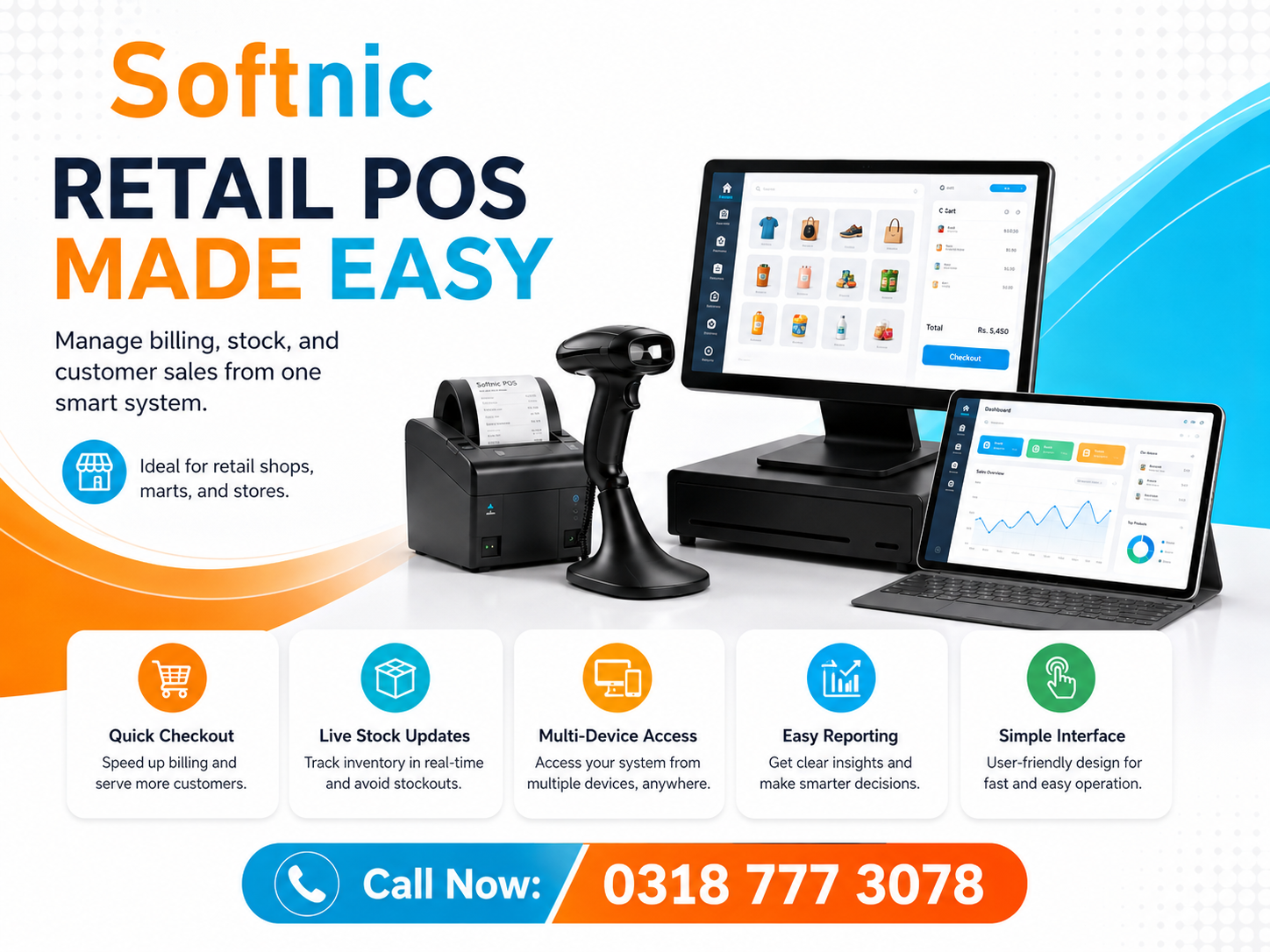
Retailers often save by choosing a point-of-sale system that includes inventory modules. These bundles eliminate duplicate data entry between sales and stock records. Softnic Solutions builds affordable barcode inventory software that integrates directly with POS workflows, reducing the total cost of ownership for brick-and-mortar shops.
Step-by-Step Evaluation Checklist
- List every SKU category, variant attribute (size, color, batch), and location you track today.
- Map your current receiving, picking, packing, and cycle-count processes — note where paper or spreadsheets create bottlenecks.
- Define the maximum number of concurrent users and whether they need mobile, desktop, or both.
- Shortlist three vendors that meet the non-negotiables above and offer a free trial or sandbox demo.
- Run a two-week pilot using real purchase orders and sales data; measure time per transaction and error rate.
- Compare total first-year cost: subscription, hardware (scanners, labels, printers), training, and any migration fees.
- Verify data export formats (CSV, API) so you can leave without vendor lock-in.
Common Trade-Offs at Lower Price Points
Cheaper plans often restrict advanced features like serial/lot tracking, kitting, multi-currency valuation, or automated EDI connections with suppliers. If your growth roadmap includes any of these, confirm the upgrade path before committing.
Other typical limitations include:
- Capped API calls per day, limiting integration with accounting or e-commerce platforms.
- No native label designer — requiring a separate tool for barcode printing.
- Single-location logic that forces workarounds for multi-warehouse setups.
- Limited audit trails, which can complicate compliance or internal investigations.
Document which compromises are acceptable today and which will require migration later. A planned upgrade is far less disruptive than an emergency switch.
Hardware Considerations That Affect Total Cost
Software price is only half the equation. Dedicated barcode scanners range from $50 for basic CCD models to $300+ for rugged Android computers. Many modern apps support Bluetooth scanners paired with iOS or Android devices, letting you reuse existing phones or low-cost tablets. Thermal label printers (4×6 inches) start around $120 and pay for themselves quickly if you print shipping or shelf labels daily. Always test your chosen hardware with the software trial before bulk purchasing.
When to Invest in Custom Development
Off-the-shelf tools cover 80% of standard workflows. The remaining 20% — unique bundling rules, regulatory labeling, legacy ERP sync — often drives businesses toward custom builds. Softnic Solutions develops fast barcode inventory software tailored to specific operational logic, eliminating workarounds that slow staff down. Custom work makes sense when the efficiency gain pays back the development cost within 12–18 months.
Comparison: Off-the-Shelf vs. Tailored Solution
| Factor | Off-the-Shelf (Low Tier) | Tailored Build |
|---|---|---|
| Time to launch | Days | Weeks to months |
| Upfront cost | Low (monthly subscription) | Higher (project-based) |
| Workflow fit | Adapt your process to the tool | Tool adapts to your process |
| Ongoing flexibility | Limited to vendor roadmap | Full control over features |
| Support model | Shared help desk / docs | Dedicated team / SLA |
Most startups and small retailers begin with off-the-shelf software and migrate to tailored systems once volume or complexity justifies the investment.
Implementation Tips for a Smooth Rollout
- Clean your master data first — deduplicate SKUs, standardize naming, and assign barcodes before go-live.
- Run parallel counts for the first month: keep spreadsheets active while staff use the new system, then reconcile weekly.
- Assign a super-user per shift who can troubleshoot scanner pairing, label jams, and sync issues without escalating.
- Schedule quarterly reviews to audit cycle-count accuracy, adjust reorder points, and retire obsolete items.
Final Thought
Cheap barcode inventory software should reduce friction, not add it. Focus on the intersection of price, scanning reliability, and data portability. Start with a clear requirements list, trial rigorously, and plan for the first upgrade before you hit the limits of your entry-tier plan. The goal is not the lowest sticker price — it is the lowest total cost of accurate inventory control.

