

Business Process Automation Software Development
In today’s fast-paced business environment, companies across industries are constantly seeking ways to streamline operations, reduce manual effort, and enhance efficiency. One of the most effective strategies for achieving these goals is business process automation software development. This approach involves designing and building custom software solutions that automate repetitive tasks, eliminate bottlenecks, and optimize workflows, allowing businesses to focus on strategic growth rather than routine operations.
Why Businesses Need Process Automation
Manual processes, while sometimes necessary in the early stages of a business, can quickly become a source of inefficiency, errors, and high operational costs as companies scale. Whether it’s managing inventory, processing orders, or handling customer inquiries, human-driven workflows are prone to delays and inconsistencies. Automation addresses these challenges by introducing systems that execute tasks faster, more accurately, and with minimal human intervention.
- Increased Efficiency: Automated systems complete tasks in real-time, reducing processing time and freeing up staff for higher-value activities.
- Cost Reduction: Fewer manual interventions mean lower labor costs and fewer errors that could lead to costly rework.
- Improved Accuracy: Software minimizes human error, ensuring data integrity and compliance with regulations.
- Scalability: Automated processes can handle increased workloads without proportional increases in resources.
Key Stages in Business Process Automation Development
Developing a robust automation solution requires a structured approach. At Softnic Solutions, we follow a proven methodology to ensure that every project delivers measurable value. The process begins with a thorough analysis of existing workflows.
1. Process Analysis and Mapping
We start by identifying which processes are prime candidates for automation. This involves working closely with your team to map out current workflows, pinpoint pain points, and define clear objectives for automation. Understanding the nuances of your business is critical to designing a solution that aligns with your unique needs.
2. System Design and Architecture
Once the scope is defined, we design the software architecture. This includes selecting the appropriate technologies, databases, and integration points. Our goal is to create a flexible system that can evolve as your business grows.
3. Development and Integration
Using modern development practices, we build custom software tailored to your requirements. This phase often involves integrating with existing tools such as CRM platforms, accounting software, or inventory management systems. Seamless integration ensures that automation enhances, rather than disrupts, your current operations.
4. Testing and Quality Assurance
Before deployment, rigorous testing is conducted to ensure the software functions as intended. This includes unit testing, integration testing, and user acceptance testing (UAT). We prioritize reliability and security throughout this stage.
5. Deployment and Training
After validation, the system is deployed in a controlled environment. We also provide comprehensive training to ensure your team can effectively use the new tools. Change management support is offered to address any resistance or concerns during the transition.
6. Ongoing Maintenance and Support
Automation is not a one-time project but an ongoing process. We offer continuous support, updates, and improvements to keep your systems running smoothly and adapting to new business needs.
Features That Define Effective Automation Software
The success of an automation project hinges on the features incorporated into the software. Below are the essential characteristics of a high-quality business process automation solution:
- User-Friendly Interface: Intuitive design enables staff to adopt the system quickly without extensive training.
- Integration Capabilities: Compatibility with existing software ensures a cohesive digital ecosystem.
- Customization: Tailored workflows and modules allow businesses to address specific requirements.
- Real-Time Reporting: Dashboards and analytics provide insights into process performance and areas for improvement.
- Security and Compliance: Built-in safeguards protect sensitive data and ensure adherence to industry standards.
Real-World Applications of Process Automation
Business process automation is not limited to a single industry. Its versatility makes it applicable across sectors, from retail to healthcare. Below are examples of how automation has transformed operations in different contexts:
Retail and Inventory Management
For retail businesses, managing inventory and sales efficiently is crucial. Our inventory and accounting software development services enable real-time stock tracking, automated reorder alerts, and seamless integration with point-of-sale (POS) systems. This ensures that products are always available when customers need them, reducing lost sales and overstock situations.
Restaurant Operations
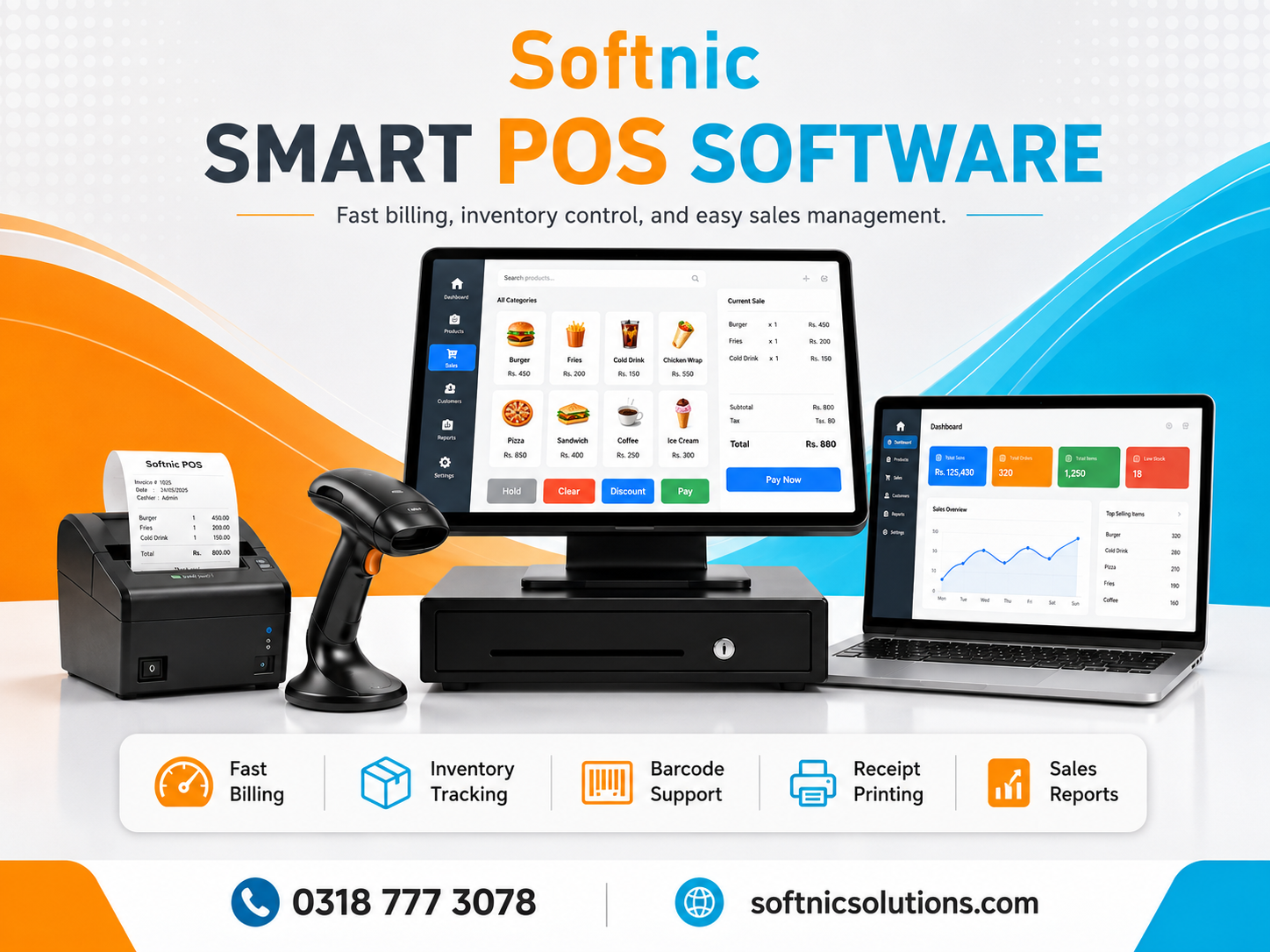
In the restaurant industry, automation can streamline order processing, kitchen coordination, and billing. Our custom restaurant POS software development solutions allow for faster table turnover, accurate order tracking, and integrated payment processing, enhancing both customer satisfaction and operational efficiency.
Healthcare and Administrative Tasks
Hospitals and clinics often struggle with managing patient records, appointments, and billing. Automated systems can reduce administrative burdens, minimize errors, and improve data accessibility, allowing healthcare professionals to focus more on patient care.
Manufacturing and Supply Chain
Manufacturers can automate production scheduling, quality checks, and supply chain coordination. This leads to reduced downtime, better resource allocation, and improved delivery timelines. By integrating automation with IoT devices and ERP systems, businesses gain real-time visibility into their operations.
Challenges in Implementing Automation
While the benefits of automation are clear, the implementation process is not without challenges. Common obstacles include resistance to change among staff, the complexity of integrating with legacy systems, and ensuring that the automation aligns with long-term business goals. At Softnic Solutions, we address these challenges through clear communication, phased rollouts, and continuous support.
Choosing the Right Partner for Automation Development
Selecting a reliable partner for business process automation software development is critical to the success of your project. A good partner should have a deep understanding of your industry, a proven track record of delivering tailored solutions, and the technical expertise to build scalable and secure systems. At Softnic Solutions, we combine our experience in business software development with a client-centric approach to ensure that every project meets your specific needs.
Whether you’re looking to automate inventory management, streamline POS operations, or develop a custom solution from scratch, our team is equipped to handle the challenge. We believe in building long-term partnerships by delivering software that not only solves immediate problems but also positions your business for sustainable growth.

