

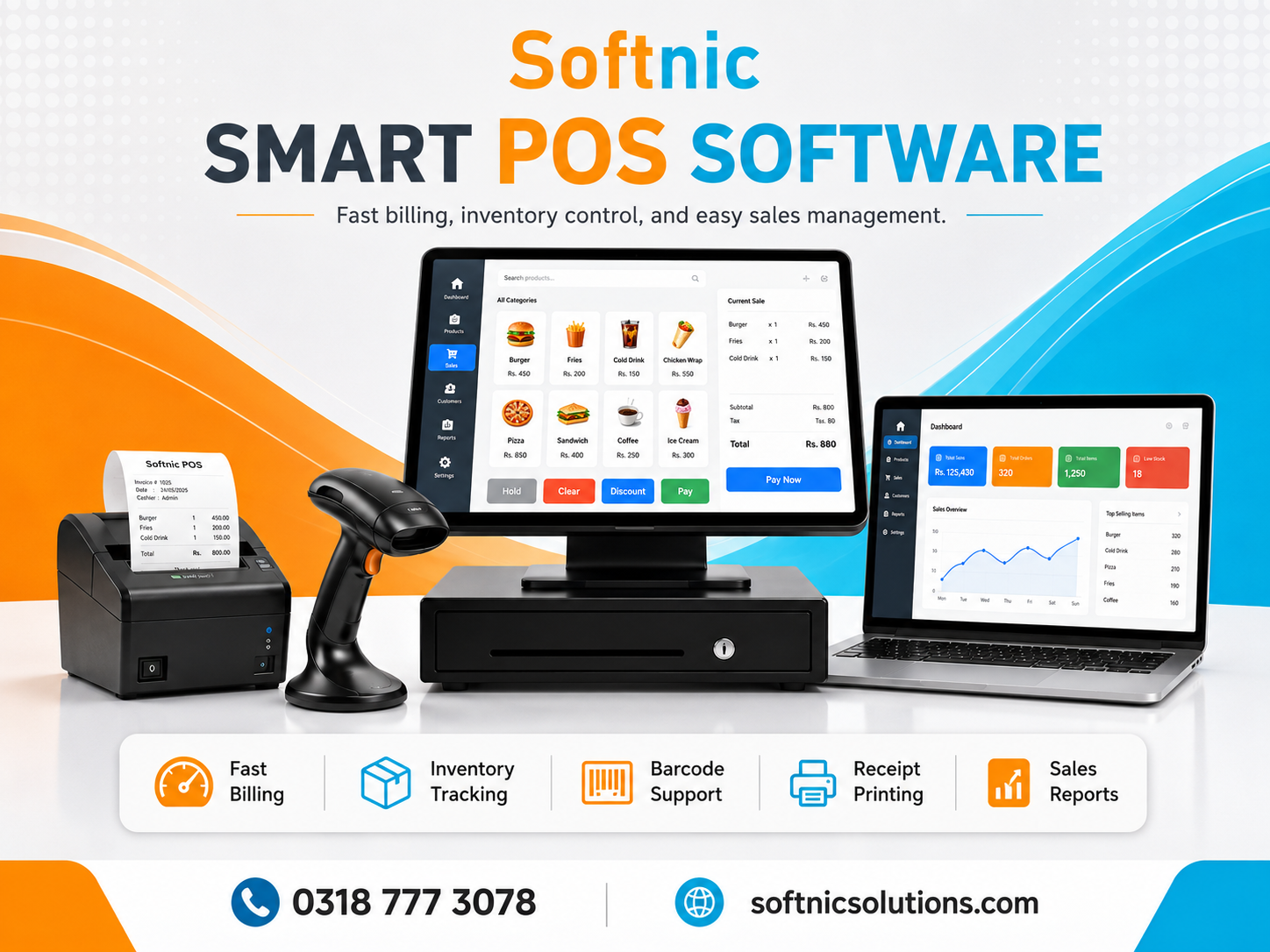
Business Automation Peshawar
Across Peshawar, businesses are facing increasing pressure to stay competitive while keeping operational costs low. From bustling textile mills to growing e‑commerce startups, the need for streamlined processes has never been more pressing. Business automation offers a practical solution, turning repetitive tasks into efficient, error‑free workflows that free up valuable human capital for strategic growth.
Why Automation Matters for Peshawar Businesses
Automation replaces manual data entry, reduces the risk of human error, and delivers instant insights through real‑time dashboards. For companies in Peshawar, the benefits translate into:
- Consistent Accuracy – Eliminates typos and duplicate records.
- Time Savings – Frees staff from routine tasks.
- Scalability – Supports business expansion without a proportional rise in overhead.
- Data‑Driven Decisions – Provides analytics that guide strategy and resource allocation.
Core Automation Areas in Peshawar
Automation can touch every facet of an organization. The most common areas where Peshawar businesses see immediate returns include:
- Customer Relationship Management (CRM) – Automate lead capture, follow‑up, and support tickets.
- Inventory Management – Track stock levels, reorder points, and supplier cycles.
- Finance & Accounting – Automate invoicing, expense reconciliation, and cash‑flow forecasting.
- Human Resources & Payroll – Handle employee records, time‑tracking, and salary calculations.
- Order & Supply Chain Management – Coordinate orders, shipping, and supplier invoicing.
When a Peshawar retailer adopts an inventory management software, for instance, it can instantly know which items are running low and trigger automatic purchase orders, eliminating stockouts and excess inventory.
Softnic Solutions’ Automation Approach
Softnic Solutions combines expertise in software development, digital marketing, and technology consulting to deliver turnkey automation solutions tailored to each client’s context. Rather than offering a single product, Softnic integrates:
Custom Business Software Development
Building applications that align with a company’s unique processes. Business software development in Peshawar ensures the solution grows with the organization.
Business Management Software
Centralized dashboards that aggregate sales, inventory, finance, and HR data in one place. Business management software lets managers see the big picture without switching between tools.
Inventory Management Software
Automated stock control reduces carrying costs and improves order fulfillment times. Softnic’s inventory management software is designed for local suppliers and distributors, offering real‑time visibility over multiple warehouse locations.
Real‑World Impact in Peshawar
“Since automating our order processing, we’ve cut cycle time from 48 hours to 12 hours, improving customer satisfaction and repeat sales.” – Peshawar textile exporter
Other sectors, such as hospitality and logistics, report similar gains: faster reservation confirmations, predictive maintenance schedules, and streamlined payroll for seasonal staff.
Getting Started with Automation in Peshawar
Embarking on an automation journey can seem daunting, but a structured approach simplifies the transition:
- Assess Existing Workflows – Identify repetitive tasks and pain points.
- Set Clear Objectives – Define what success looks like (time saved, cost reduction, data accuracy).
- Design or Select the Right Tool – Evaluate off‑the‑shelf solutions versus custom development.
- Implement Incrementally – Pilot in a single department before full rollout.
- Train Staff – Ensure users understand new processes and can troubleshoot basic issues.
- Monitor & Optimize – Use analytics to refine workflows and add new automation layers.
Conclusion
Business automation is no longer optional for companies in Peshawar; it’s a catalyst for growth, resilience, and competitive advantage. By integrating custom software, comprehensive management platforms, and real‑time inventory control, Peshawar enterprises can transform routine operations into strategic assets, enabling them to focus on innovation and customer experience rather than administrative overhead.


1 Comment
[…] to transform your operations? Learn more about Business Automation Peshawar and how Softnic Solutions can help you build a future‑ready […]