

Custom Software Development Tampa
Off-the-shelf software gets a business only so far. Once workflows become unique, teams grow, or customer expectations shift, generic tools start creating more friction than they solve. That is the point where custom software development in Tampa becomes worth serious consideration. Instead of bending your operations to fit a product built for thousands of strangers, you get software shaped around how your business actually runs.
Tampa has grown into a serious hub for finance, healthcare, logistics, real estate, hospitality, and a fast-expanding startup scene. Each of these industries carries its own processes, compliance needs, and customer habits. Custom software lets a Tampa company address those specifics directly rather than stitching together a patchwork of subscriptions that never quite fit together.
What Custom Software Development Actually Means
Custom software is any application built for a specific organization rather than sold to the general market. It can be a web platform, a mobile app, an internal operations tool, an integration layer between systems you already own, or a customer-facing portal. The defining feature is fit: the software mirrors your processes instead of forcing your team to adapt to someone else’s assumptions.
This differs from simply buying a popular tool. A packaged product spreads its development cost across a huge user base, which keeps prices low, but it also means the roadmap serves the average customer, not you. Custom development trades that lower upfront cost for precision, ownership, and the ability to change the software as your business evolves.
Why Tampa Businesses Choose Custom Solutions
Several practical pressures push companies in the Tampa area toward custom work.
Unique workflows. Many businesses run processes that no standard product supports cleanly. When staff rely on spreadsheets, manual re-entry, and workarounds, errors and delays follow. Custom software removes those gaps by automating the exact steps your team performs.
Growth and scale. A tool that works for ten employees may buckle at a hundred. Custom systems can be designed to scale with transaction volume, users, and locations, so you are not forced into an expensive migration every time the company grows.
Integration. Most businesses already depend on several platforms for accounting, payments, inventory, or customer management. Custom development connects these systems so data flows automatically instead of being copied by hand.
Competitive advantage. When your software does something competitors cannot easily replicate, it becomes part of what makes your business distinct. That is hard to achieve with tools everyone else also uses.
Data ownership and control. Building your own system means you decide where data lives, how it is secured, and how long it is retained, rather than accepting the terms of a third-party vendor.
Common Types of Custom Software
Custom development is not one thing. The right approach depends entirely on the problem you are solving. Some of the most common categories include:
- Business management platforms that combine customers, orders, staff, and reporting in one place.
- Web and customer portals where clients log in to view accounts, submit requests, or track progress.
- Mobile applications for field teams, delivery, appointments, or customer engagement.
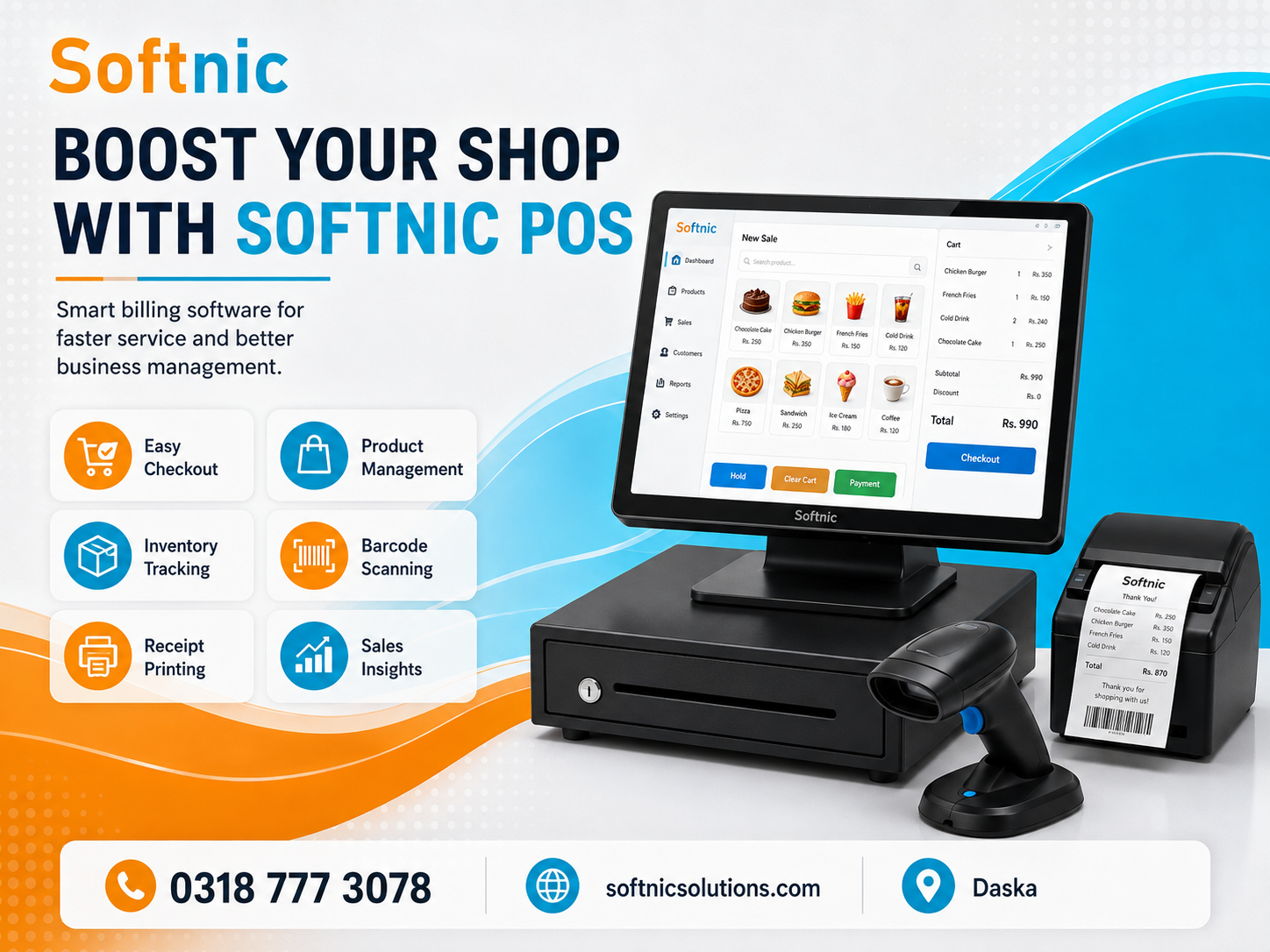
- Internal tools such as inventory systems, POS and billing software, or approval workflows.
- Integrations and APIs that let existing software share data automatically.
- Automation tools that remove repetitive manual tasks from daily operations.
If you are earlier in the journey and testing whether an idea is worth a full build, starting smaller often makes sense. A focused first version lets you validate assumptions before committing to a large investment. For teams in the area exploring that route, our MVP development Tampa guide walks through how a lean first release can reduce risk.
How the Development Process Works
A well-run custom software project follows a predictable path. Understanding it helps you plan realistically and hold a development partner accountable.
Discovery and requirements
This is the most important phase and the one most often rushed. The team learns how your business operates, who uses the software, what problems it must solve, and what success looks like. Clear requirements here prevent expensive changes later.
Design and planning
Next comes the structure: user flows, screens, data models, and the technical architecture. Good design work makes the software intuitive for the people who use it every day and stable enough to grow.
Development
Developers build the software in stages, usually in short cycles so you can see progress and give feedback. Working in increments catches misunderstandings early, while they are still cheap to fix.
Testing
The software is checked for bugs, security weaknesses, and performance under real conditions. Testing protects both your data and your reputation, since problems found after launch cost far more to resolve.
Launch and support
After deployment, the work continues. Software needs monitoring, updates, and adjustments as your needs change. A partner who stays involved after launch is worth far more than one who disappears at go-live.
How to Choose a Development Partner
The quality of your software depends heavily on the team behind it. When evaluating custom software development in Tampa or working with a distributed team, look for a few clear signals.
Ask how they handle discovery, because a partner who dives straight into coding without understanding your business will build the wrong thing. Ask to see relevant work, not just a portfolio of logos but real examples of similar problems they have solved. Ask about communication, since regular updates and a single point of contact prevent most project failures. Ask who owns the code and data at the end, because you should never be locked in. And ask what happens after launch, since ongoing support is where many projects quietly fall apart.
A custom software project succeeds or fails long before the first line of code, in how well the problem is understood. The right partner spends more time listening than pitching.
Planning Your Next Step
Before approaching any developer, get clear on a few basics. You do not need a full specification, but you should be able to answer these questions:
- What specific problem should the software solve?
- Who will use it, and what do they need to accomplish?
- What systems must it connect to?
- What does success look like in measurable terms?
- What is your realistic budget and timeline?
Answers to these questions turn a vague idea into a project a team can actually scope and price. They also protect you from being sold features you do not need.
The Takeaway
Custom software is not automatically the right choice for every situation. If a proven off-the-shelf tool covers your needs at a fraction of the cost, use it. But when your workflows are unique, your systems need to connect, or growth is outpacing your current tools, custom software development in Tampa offers something packaged products cannot: a system built precisely for your business, owned by you, and able to evolve as you do. The key is starting with a clear problem, choosing a partner who listens, and building in stages so you stay in control of both the process and the outcome.

