

Freelance Web Developer For Startups
For a startup, every dollar and every minute counts. Your time is better spent on validating ideas, attracting customers, and refining your product than on learning how to code a website from scratch. That’s where a freelance web developer for startups steps in—providing focused, flexible, and cost‑effective web development that lets your team scale quickly.
Common Startup Pain Points
New ventures face a handful of recurring challenges when it comes to building an online presence:
- Limited budgets that can’t support a full‑time dev team.
- Uncertain timelines—early MVPs often need to hit the market fast.
- Shifting technical requirements as the product evolves.
- The need to maintain a clean codebase for future hiring or pivoting.
Trying to juggle all of these on an in‑house or agency basis often leads to scope creep, overruns, or a final product that feels “good enough” rather than “great.”
Why Freelance Web Development Makes Sense for Startups
1. Budget‑Friendly Flexibility
Freelancers typically charge hourly or per‑milestone, allowing you to pay only for the features you need. No long‑term contracts mean you can scale your development budget up or down as your funding rounds or revenue streams change.
2. Rapid Turnaround
Many freelancers specialize in lean, fast development cycles. They focus on delivering a functional MVP (Minimum Viable Product) that can be iterated upon rather than waiting for a full, polished release.
3. Skill‑Specific Hiring
Startups can handpick developers with the exact skill set required for each phase—whether it’s a frontend specialist for a slick UI, a backend expert for scalable APIs, or a full stack developer to bridge the two.
4. Focus on Core Competencies
When the development work is outsourced, founders can concentrate on product strategy, customer acquisition, and business development instead of firefighting code bugs.
How to Choose the Right Freelance Web Developer
Not every freelancer fits the startup mold. Use this checklist to filter candidates quickly:
- Portfolio Relevance – Look for projects similar to yours (e.g., SaaS, e‑commerce, mobile‑first sites).
- Communication Skills – Frequent updates, clarity in proposals, and responsiveness are vital.
- Technical Versatility – Ability to switch between frontend and backend tasks if needed.
- Project Management Tools – Familiarity with Trello, Jira, or GitHub ensures smooth collaboration.
- Client References – Even informal testimonials can reveal reliability.
Building the MVP: A Step‑by‑Step Guide
Below is a practical workflow that balances speed, quality, and cost. Adapt it to your startup’s specific needs.
Step 1: Define Your Core Value Proposition
Identify the one feature that delivers the most value to your target users. Anything beyond that can be deferred until the next sprint.
Step 2: Draft a Lightweight Functional Specification
A short, clear spec (ideally under 500 words) should include:
- Primary user flows.
- Key UI components.
- Data models.
- Integration points (e.g., payment gateways).
Step 3: Select Your Freelancer(s)
Use the checklist above to shortlist candidates. A single freelancer can often handle both frontend and backend for MVPs, but if your project demands more depth, consider pairing a frontend and backend specialist.
Step 4: Kick‑off & Set Milestones
Break the MVP into two‑week sprints. Define:
- Deliverable at the end of each sprint.
- Acceptance criteria.
- Review cadence (e.g., weekly demos).
Step 5: Iterate Rapidly
After each sprint:
- Test the functionality.
- Collect user feedback.
- Refine the spec for the next sprint.
This agile loop keeps costs low and aligns the product with real user needs.
Beyond the MVP: Transitioning to Scale
Once the MVP proves traction, you’ll need to:
- Implement automated testing for reliability.
- Optimize performance and SEO.
- Introduce CI/CD pipelines for smoother releases.
- Consider bringing the freelancer into a part‑time or contractor role as your team expands.
Many startups start with a freelancer and evolve into a small in‑house team, leveraging the same codebase and development practices they began with.
Key Benefits Recap
- Cost efficiency: pay only for the work you need.
- Speed: launch an MVP in a matter of weeks.
- Expertise on demand: choose specialists for each development layer.
- Strategic focus: founders stay on product and growth.
Closing Thoughts
A freelance web developer for startups isn’t just a temporary fix—it’s a strategic partner that can shape your product’s technical foundation while you build the business around it. By selecting the right developer and following an agile, milestone‑driven approach, you can launch a functional, user‑centric website that adapts as your startup grows.
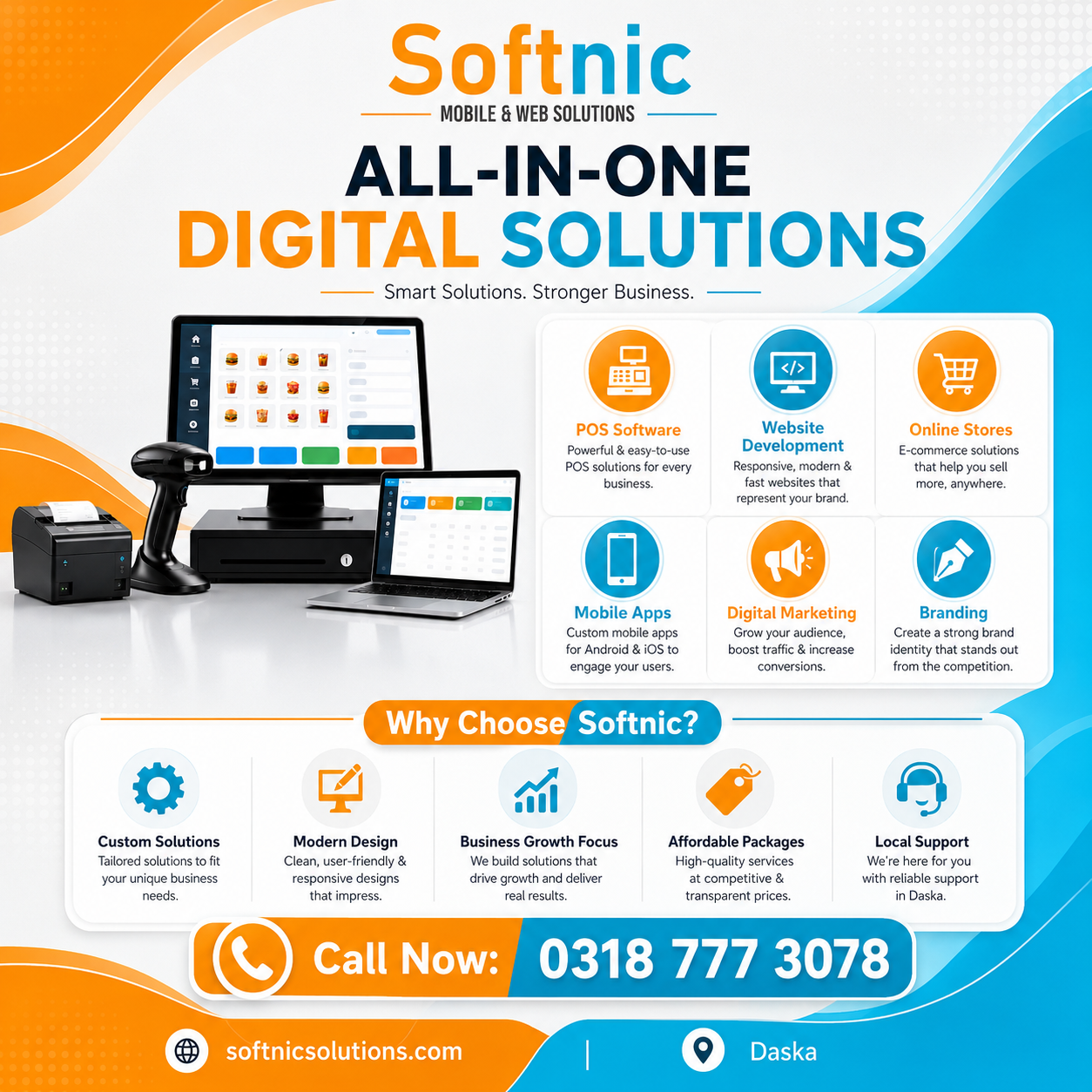
Start the conversation today with Softnic Solutions, where technology, design, and marketing converge under a single, flexible partnership that’s built for the unique pace of startups.

