

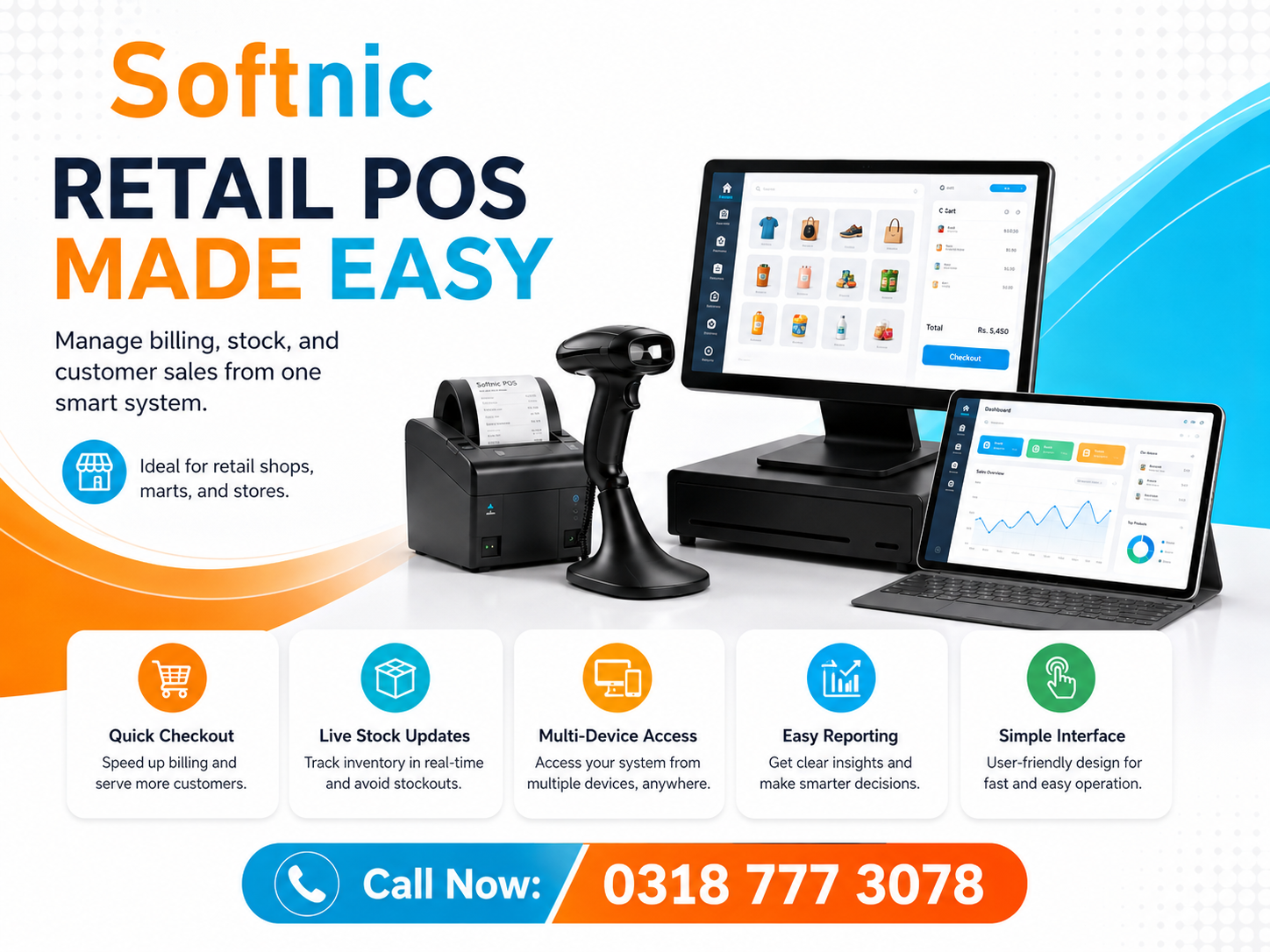
Professional Barcode Billing Software
In today’s fast‑moving retail, hospitality, and wholesale environments, speed, accuracy, and reliability in billing are non‑negotiable. Traditional manual systems or outdated point‑of‑sale (POS) software can slow down operations, increase errors, and frustrate both staff and customers. That’s why professional barcode billing software is becoming a cornerstone for businesses that want to stay competitive, reduce overhead, and deliver seamless service.
What Makes a Barcode Billing System “Professional”?
A professional barcode billing system goes beyond simply scanning a product and printing a receipt. It’s an integrated platform that connects inventory, sales, accounting, and customer data in real time, offering a suite of tools that streamline workflows and provide actionable insights.
Key attributes of a professional solution include:
- Real‑time Inventory Updates: Every scan immediately adjusts stock levels, preventing overselling.
- Multi‑Channel Compatibility: Seamless integration with e‑commerce platforms, mobile apps, and e‑ticketing systems.
- Robust Security: End‑to‑end encryption, role‑based access, and audit trails to protect sensitive transaction data.
- Scalable Architecture: Ability to add new locations, products, or users without performance loss.
- Custom Reporting: Tailored dashboards that track sales trends, profit margins, and customer behavior.
Business Benefits That Matter
Adopting a professional barcode billing system delivers tangible advantages that ripple across the organization.
- Increased Efficiency: A single scan handles pricing, tax calculation, and inventory deduction, cutting transaction time by up to 50%.
- Reduced Errors: Automated calculations eliminate manual entry mistakes that can cost money and damage customer trust.
- Accurate Forecasting: Real‑time data feeds allow managers to forecast demand, optimize stock levels, and reduce carrying costs.
- Enhanced Customer Experience: Faster checkout, loyalty integration, and instant order confirmations create a smoother journey.
- Regulatory Compliance: Built‑in tax modules keep the system compliant with local laws, minimizing audit risks.
- Data‑Driven Decision Making: Detailed reports help identify best‑selling items, underperformers, and seasonal trends.
Core Features That Empower Professionals
While each business has unique needs, a well‑designed barcode billing system usually incorporates the following features:
1. Scalable Barcode Libraries
Support for various barcode standards—QR, UPC, EAN, Code‑128—ensures compatibility with suppliers, inventory management, and point‑of‑sale devices. The system should allow custom barcode generation for internal use, such as labeling special promotions or inventory categories.
2. Integrated POS and Retail Engine
The core sales module should handle discounts, promotions, split payments, and returns in a single interface. Advanced POS systems also offer touch‑screen gestures, barcode scanning via smartphones, and integrated cash drawers.
3. Real‑time Inventory & Stock Management
Automatic updates after each transaction keep stock records precise. Advanced features include low‑stock alerts, reorder recommendations, and multi‑warehouse support.
4. Robust Accounting Integration
Seamless sync with accounting software (QuickBooks, Xero, or custom ERP) ensures that sales data flows into financial statements without manual intervention, enabling accurate profit calculations and tax filings.
5. Mobile & Cloud Accessibility
Cloud‑based solutions let managers monitor sales dashboards from anywhere, while mobile apps enable barcode scanning on the go—ideal for pop‑ups, markets, or service staff.
6. Customizable Reporting & Analytics
Beyond standard sales summaries, professionals benefit from customizable charts, heat maps, and export options to support strategic planning.
7. Security & Compliance Controls
Role‑based permissions prevent unauthorized changes, while audit logs record every transaction. PCI‑DSS compliance, GDPR‑friendly data handling, and encrypted data storage safeguard sensitive information.
Choosing the Right Vendor: What to Look For
Not all barcode billing solutions are created equal. When evaluating a provider, consider the following criteria:
- Track Record & Client Portfolio: A vendor with a proven history of deployments in similar industries brings valuable experience.
- Customization Flexibility: The ability to tailor the system to your workflows and branding is essential.
- Support & Training: Continuous technical support, documentation, and staff training reduce downtime.
- Cost Structure: Transparent pricing—whether subscription‑based or perpetual license—avoids hidden fees.
- Local Expertise: A local partner in Pakistan can navigate regional regulations and provide culturally relevant support.
Softnic Solutions: Your Partner for Modern Barcode Billing
Softnic Solutions brings a unique blend of software development, digital marketing, and business automation expertise. Based in Daska, Punjab, the company has helped dozens of retailers, wholesalers, and hospitality businesses streamline their operations with custom solutions.
Softnic’s modern barcode billing software (link to modern barcode billing software) incorporates all the core features discussed above. It is built on a modular architecture, allowing businesses to start with essential functionalities and add advanced modules—such as loyalty programs or multi‑currency support—over time. The cloud‑based platform guarantees accessibility from any device, while robust security protocols keep customer and transaction data safe.
Working with Softnic means you get:
- Hands‑on project management from concept to deployment.
- Dedicated support that understands local market dynamics.
- Ongoing maintenance and updates to keep the system ahead of technology trends.
Implementation Roadmap
Successfully deploying a professional barcode billing system requires careful planning. Below is a concise roadmap that can be adapted to any business size.
- Requirements Analysis: Gather input from sales, inventory, finance, and IT teams to define essential features.
- Vendor Selection: Evaluate solutions against the criteria listed earlier, focusing on integration capabilities and cost transparency.
- Data Migration: Transfer product catalogs, pricing, and stock levels into the new system, ensuring data integrity.
- Hardware Setup: Install barcode scanners, receipt printers, and POS terminals, configuring them to communicate with the software.
- Staff Training: Conduct role‑specific training sessions to familiarize employees with new workflows.
- Go‑Live & Monitoring: Launch the system in a controlled environment, monitor transaction throughput, and address any glitches promptly.
- Continuous Improvement: Collect user feedback, tweak processes, and schedule periodic system reviews.
Key Takeaways
In the age of digital transformation, a professional barcode billing software is no longer a luxury—it’s a strategic imperative. By automating sales, inventory, and accounting processes, businesses can reduce errors, cut operational costs, and deliver a superior customer experience. Softnic Solutions offers a modern, scalable, and secure platform that meets these demands while providing personalized support and expertise.
Whether you’re a boutique retailer looking to digitize your checkout or a wholesaler seeking real‑time inventory insights, investing in a robust barcode billing system can unlock new levels of efficiency and profitability.

