

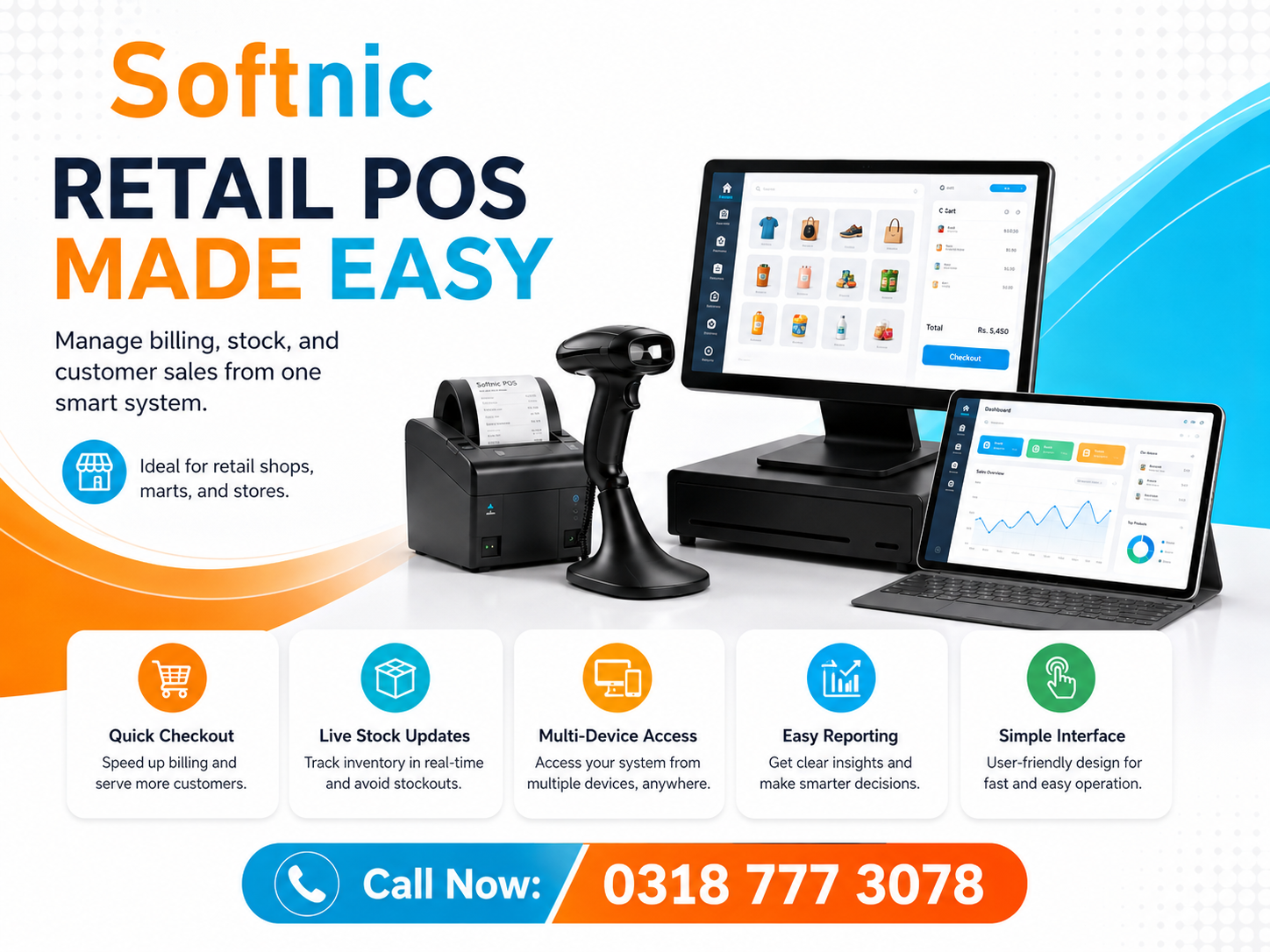
With Reports Barcode Software
Why Reporting Matters in Barcode Software
Barcode software is no longer just about generating or scanning codes. In today’s data-driven business environment, the real value lies in what you can learn from those barcodes and how you can act on that information. When barcode software includes robust reporting capabilities, it transforms from a simple labeling tool into a powerful decision-making asset. Reports help businesses track inventory movement, monitor sales performance, identify inefficiencies, and plan future strategies with confidence.
For businesses in Pakistan and beyond, having access to real-time or periodic reports from their barcode systems can mean the difference between reactive management and proactive optimization. Whether you’re running a retail store, managing a warehouse, or operating an e-commerce fulfillment center, reports provide the visibility needed to make informed decisions quickly.
Key Benefits of With Reports Barcode Software
Enhanced Inventory Visibility
One of the most immediate benefits of barcode software with reporting features is enhanced inventory visibility. Instead of manually checking stock levels or relying on outdated spreadsheets, businesses can generate detailed reports showing current stock quantities, low-stock alerts, and historical usage patterns. This level of detail helps prevent stockouts, reduce overstocking, and optimize reorder points.
Data-Driven Decision Making
Reports turn raw barcode data into actionable insights. By analyzing trends in product movement, seasonal demand, or supplier performance, businesses can make smarter purchasing decisions, adjust pricing strategies, and allocate resources more effectively. For example, a retailer might notice that certain products sell faster during specific months and adjust their inventory accordingly.
Operational Efficiency Tracking
With reports, managers can track key performance indicators such as average processing time per item, error rates in scanning, and staff productivity. These metrics help identify bottlenecks in workflows and highlight areas where training or process improvements are needed. Over time, this leads to smoother operations and reduced costs.
Types of Reports Commonly Available
- Inventory Reports: Show current stock levels, valuation, and movement history.
- Sales Reports: Detail product sales by date, category, or location.
- Purchase Reports: Track incoming shipments, supplier delivery times, and costs.
- Customer Reports: Analyze buying behavior, loyalty trends, and return rates.
- Stock Movement Reports: Monitor how items move through the supply chain.
How to Choose the Right Barcode Software with Reports
Selecting the right barcode software isn’t just about scanning speed or label design. Here are some practical steps to ensure you choose a solution that meets your reporting needs:
- Define Your Reporting Needs: Start by listing the types of reports you need on a regular basis. Are you focused on inventory accuracy, sales tracking, or operational efficiency? Clear requirements will help narrow down your options.
- Check Integration Capabilities: Ensure the software can integrate with your existing systems such as POS, ERP, or accounting tools. Seamless data flow is crucial for accurate and up-to-date reports.
- Evaluate Report Customization: Not all businesses have the same reporting needs. Look for software that allows custom report creation, filtering, and export options in formats like Excel, PDF, or CSV.
- Consider User Access Controls: Different team members may need different levels of access to reports. Choose software that supports role-based permissions to maintain data security.
- Test Real-Time Reporting: If timely decisions are critical, verify that the software supports real-time or near-real-time reporting without significant delays.
- Assess Support and Training: Even the best software requires proper setup and ongoing support. Check if the vendor provides documentation, tutorials, or responsive customer service.
Practical Use Cases Across Industries
Retail and Point of Sale
Retailers use barcode software with reports to manage shelf stock, track bestsellers, and generate end-of-day summaries. Sales reports help identify which products are driving revenue and which may need promotional support. Additionally, inventory reports can alert staff when items need restocking, reducing lost sales due to empty shelves.
Warehouse and Logistics
In warehouse environments, barcode scanning combined with reporting helps track the movement of goods from receiving to shipping. Managers can generate reports on picking accuracy, packing times, and dispatch schedules. These insights improve turnaround times and help maintain high service levels for clients.
Healthcare and Pharmaceuticals
Hospitals and pharmacies rely on barcode systems to track medications, medical supplies, and equipment. Reporting features allow them to monitor expiration dates, control batch numbers, and ensure compliance with regulatory standards. Accurate reports also support audits and inventory reconciliations.
Best Practices for Using Reports Effectively
Generating reports is only half the battle. To get maximum value, businesses should follow these best practices:
- Schedule Regular Reviews: Set up automated or manual review cycles for key reports. Weekly inventory summaries or monthly sales analyses can keep your team aligned and responsive.
- Train Your Team: Make sure employees understand how to access and interpret reports. Well-trained staff can spot anomalies early and take corrective action.
- Act on Insights: Reports are only useful if they lead to action. Encourage a culture where data informs decisions, from reordering stock to adjusting staffing levels.
- Maintain Data Hygiene: Clean, consistent data is essential for reliable reports. Implement standard operating procedures for data entry and scanning to avoid errors.
Internal Link: Related Solutions
If you’re interested in exploring other specialized barcode software options, Softnic Solutions offers several industry-specific tools. For instance, businesses looking to streamline their sales processes might find value in With Sales Management Barcode Software, while those focused on procurement could explore With Purchase Management Barcode Software. Similarly, retailers aiming to improve customer engagement may benefit from With Customer Management Barcode Software.
Final Thoughts
Barcode software with reporting capabilities is more than a convenience—it’s a necessity for modern businesses that want to stay competitive. By providing clear visibility into operations, enabling data-driven decisions, and supporting continuous improvement, these tools empower organizations to operate more efficiently and respond faster to market changes.
When choosing a barcode solution, prioritize features that align with your business goals and reporting requirements. Whether you’re managing a small retail outlet or a large distribution center, the right combination of barcode technology and insightful reporting can significantly enhance your operational performance.

